The Rituals of Flagellation
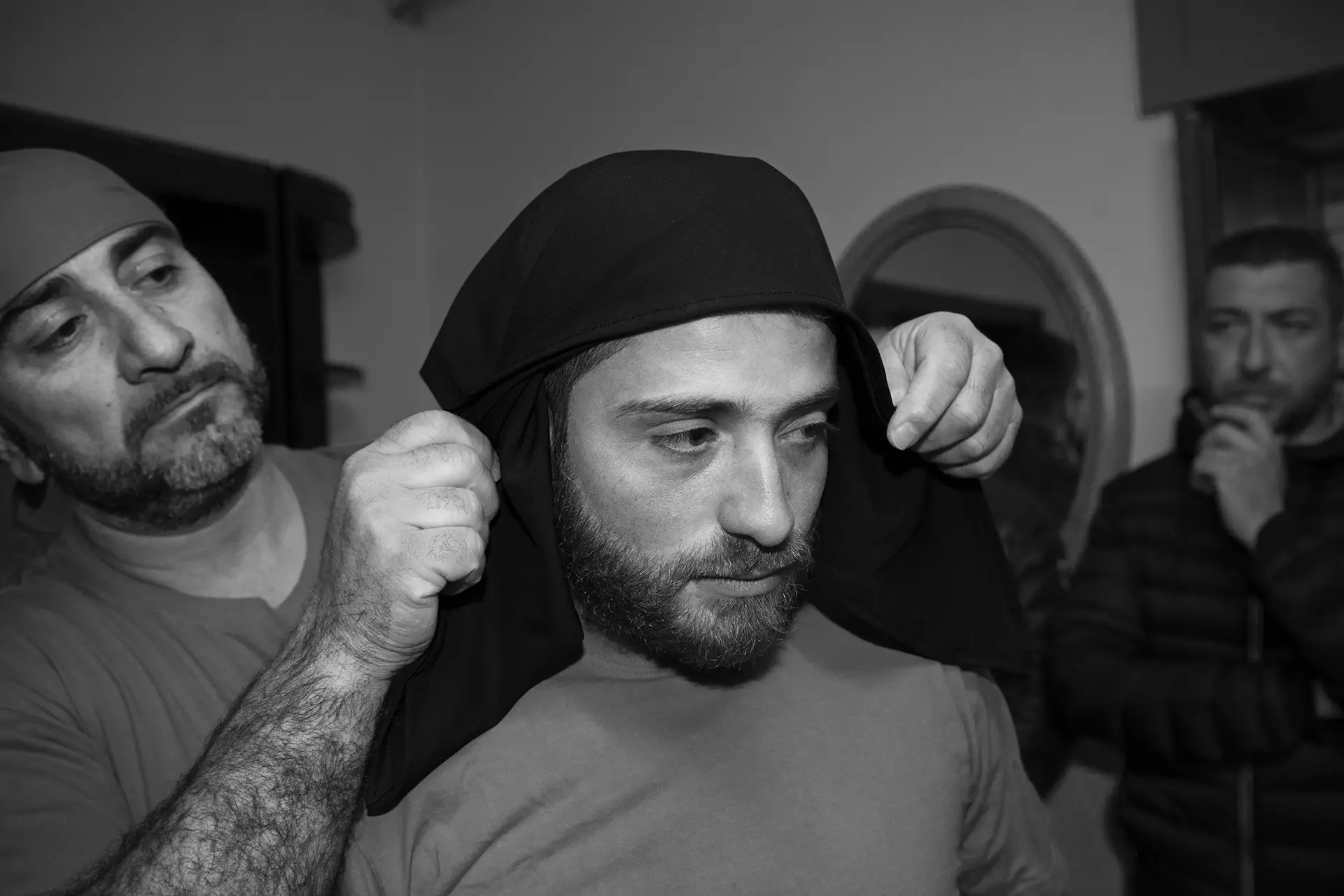
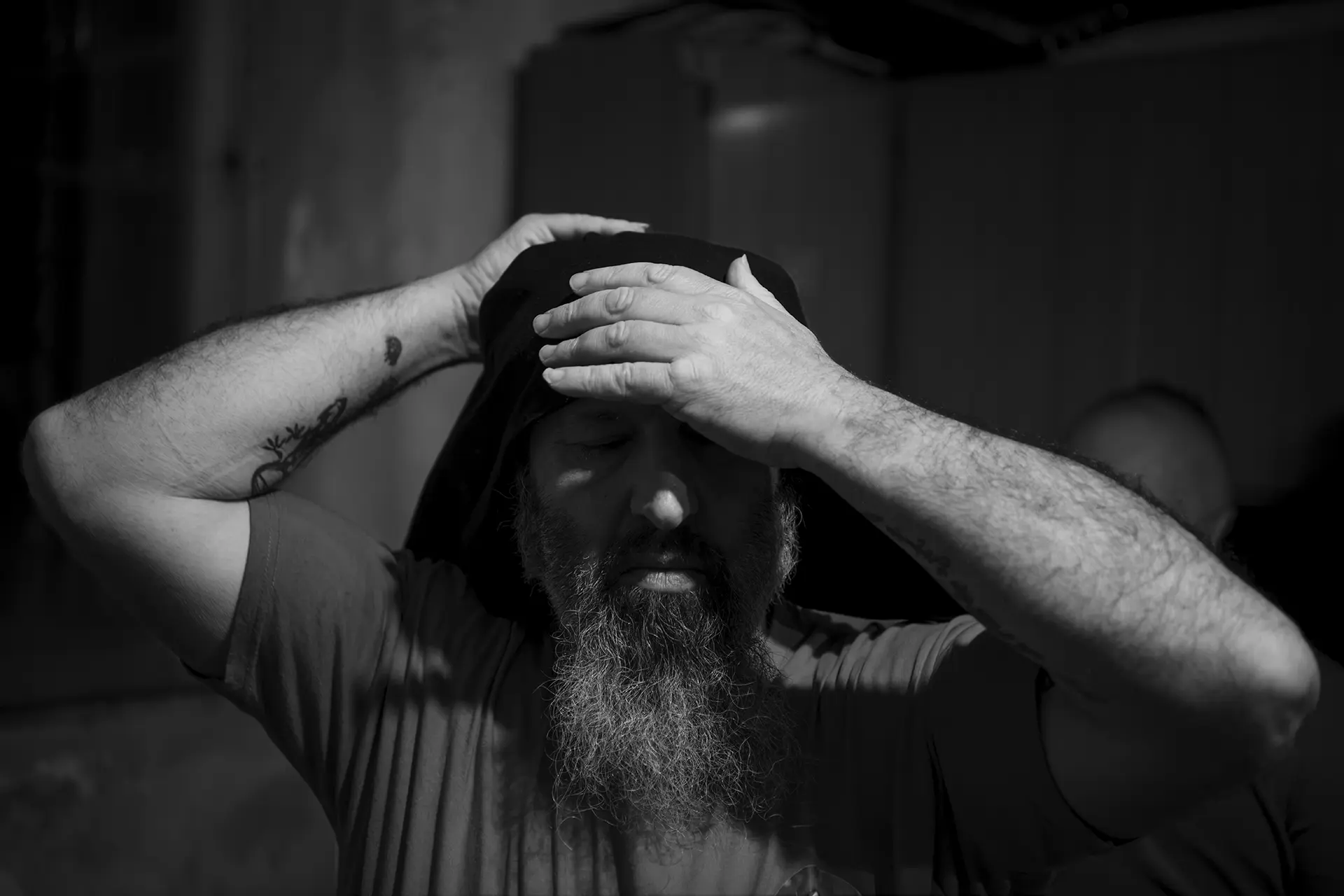
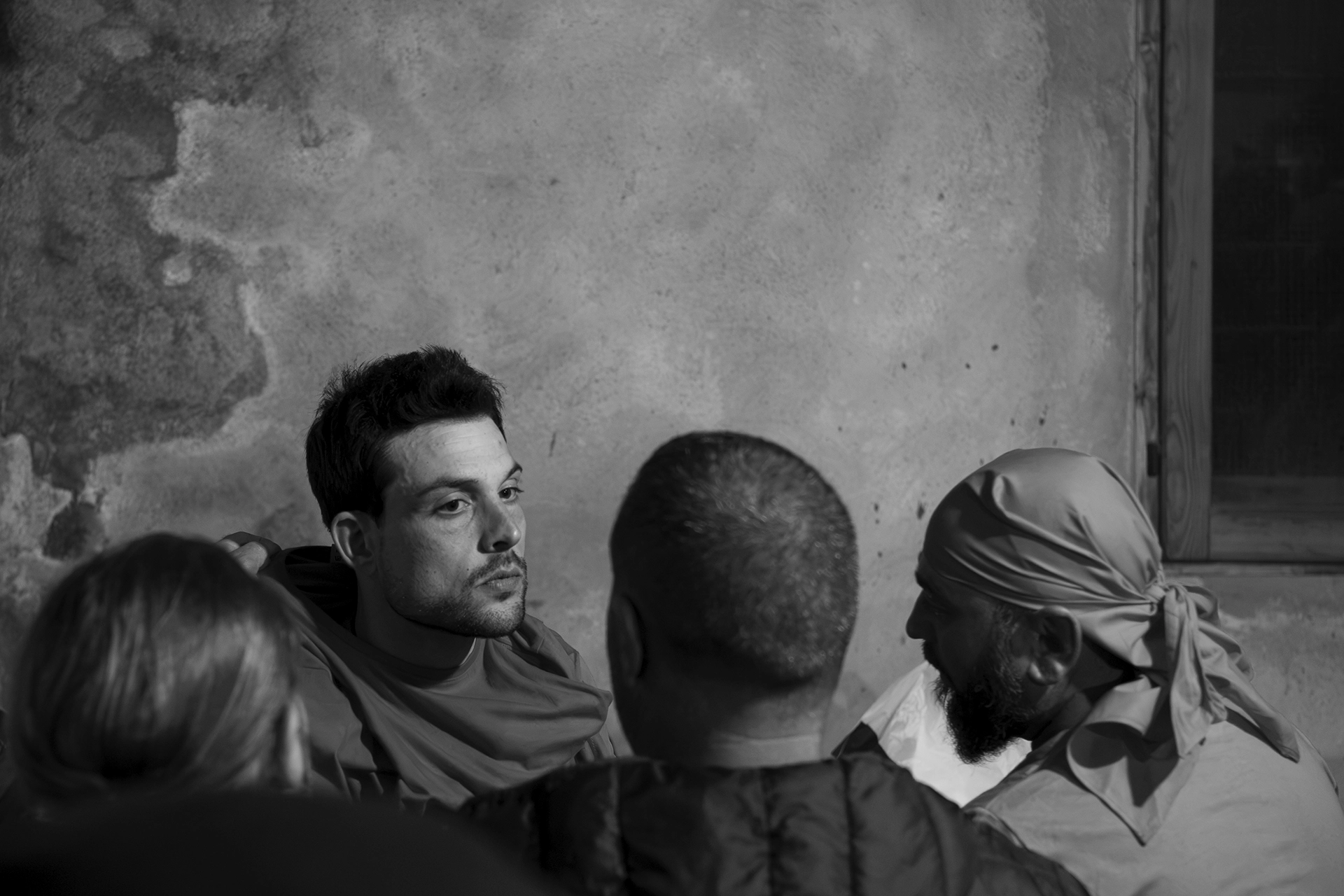
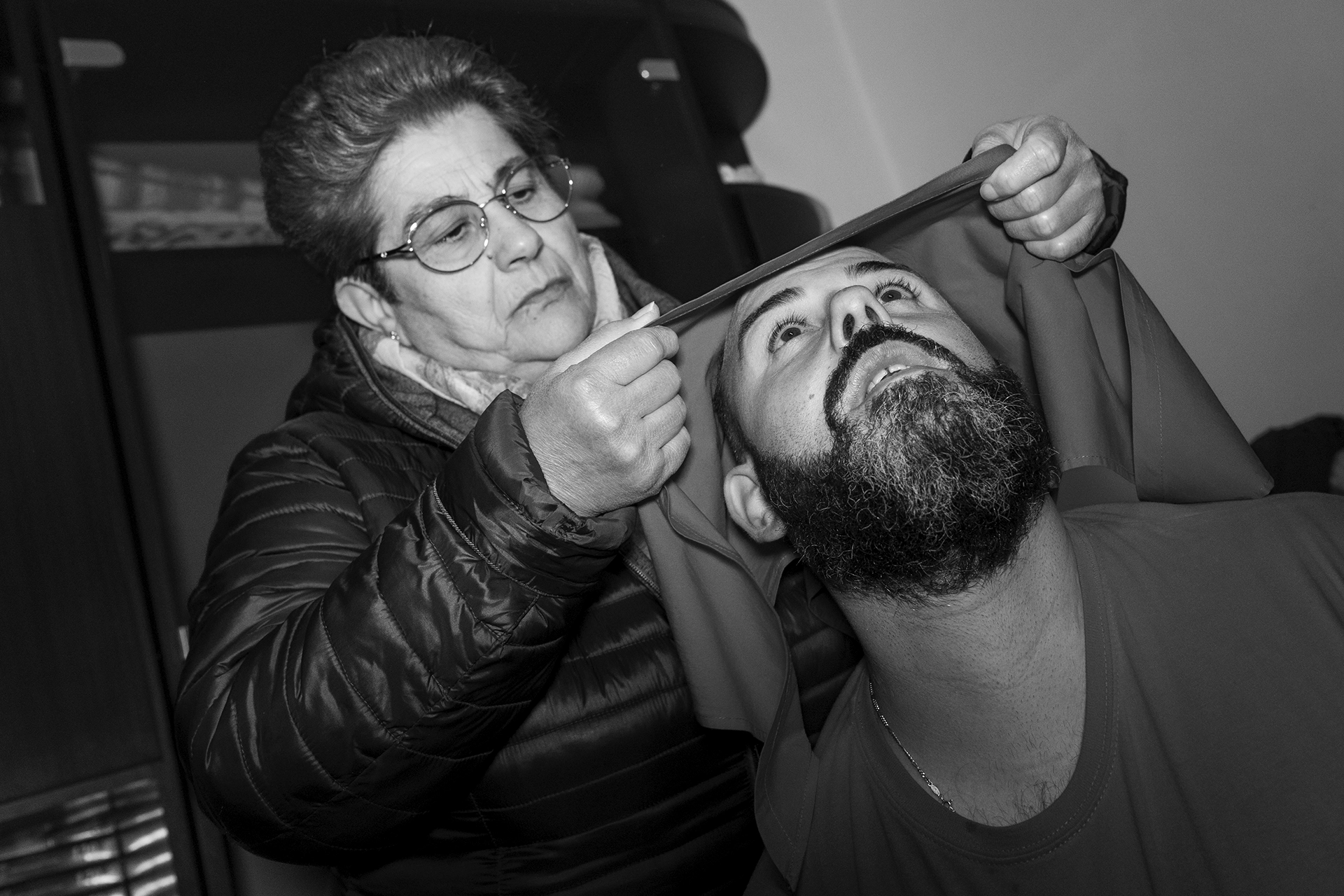
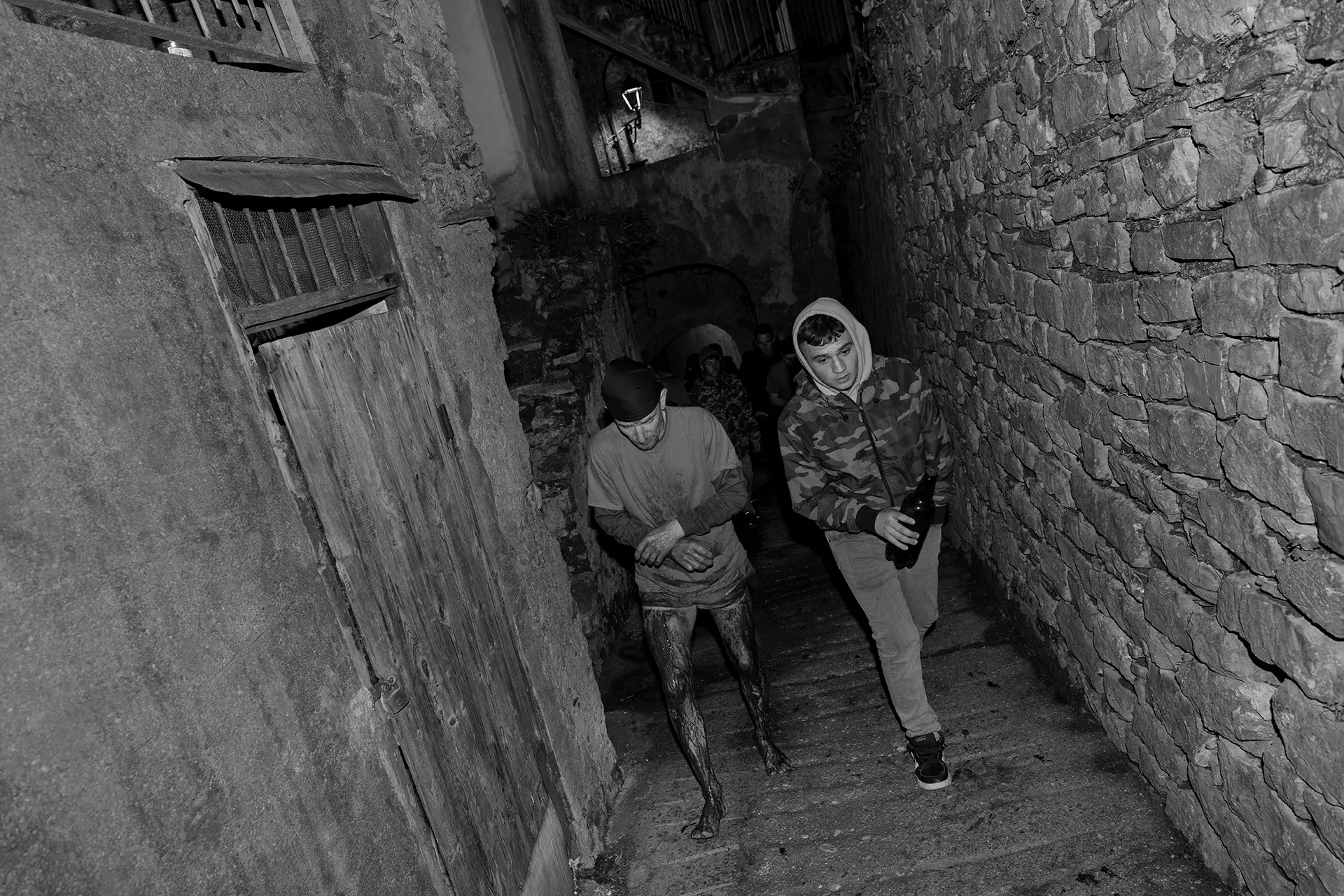
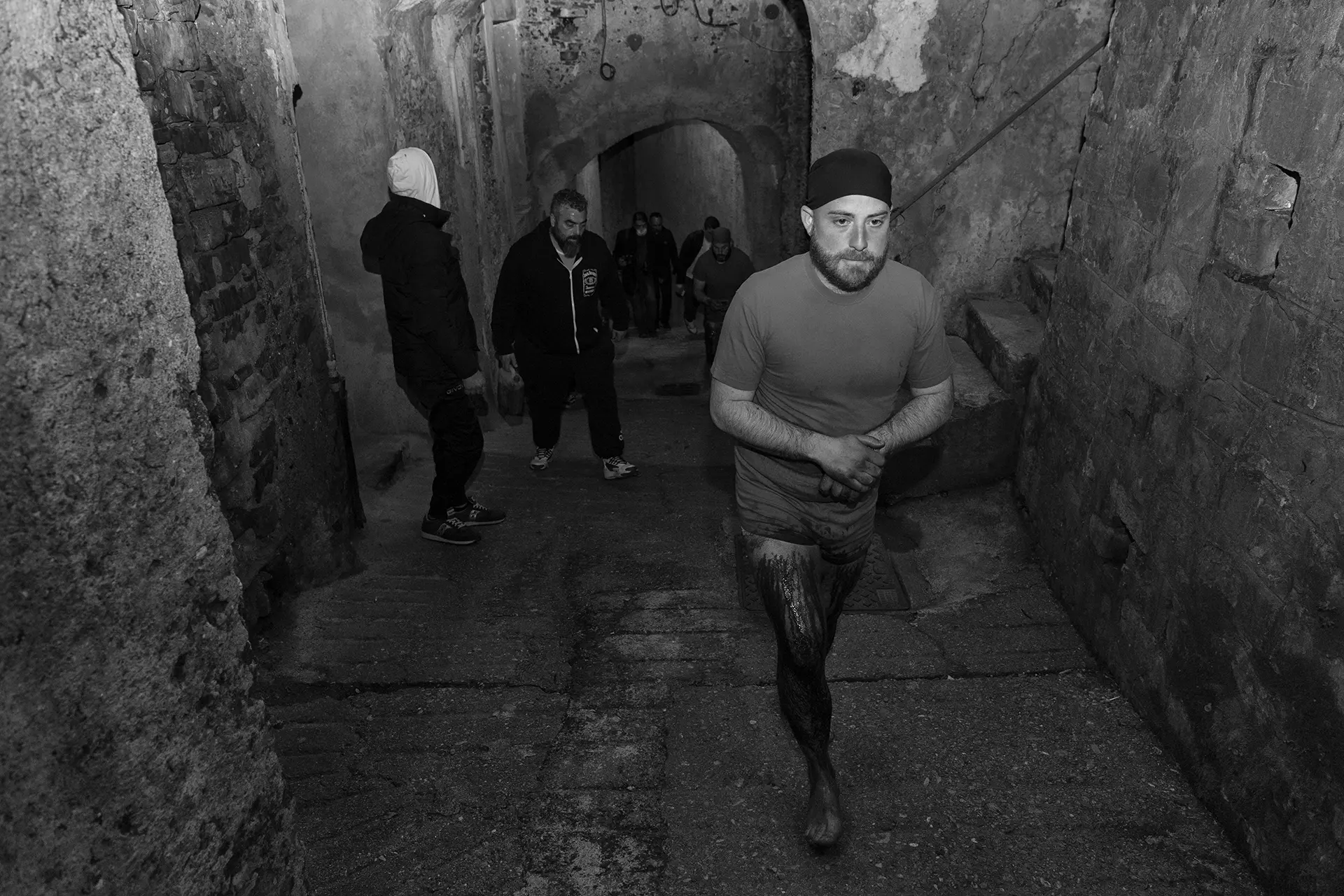
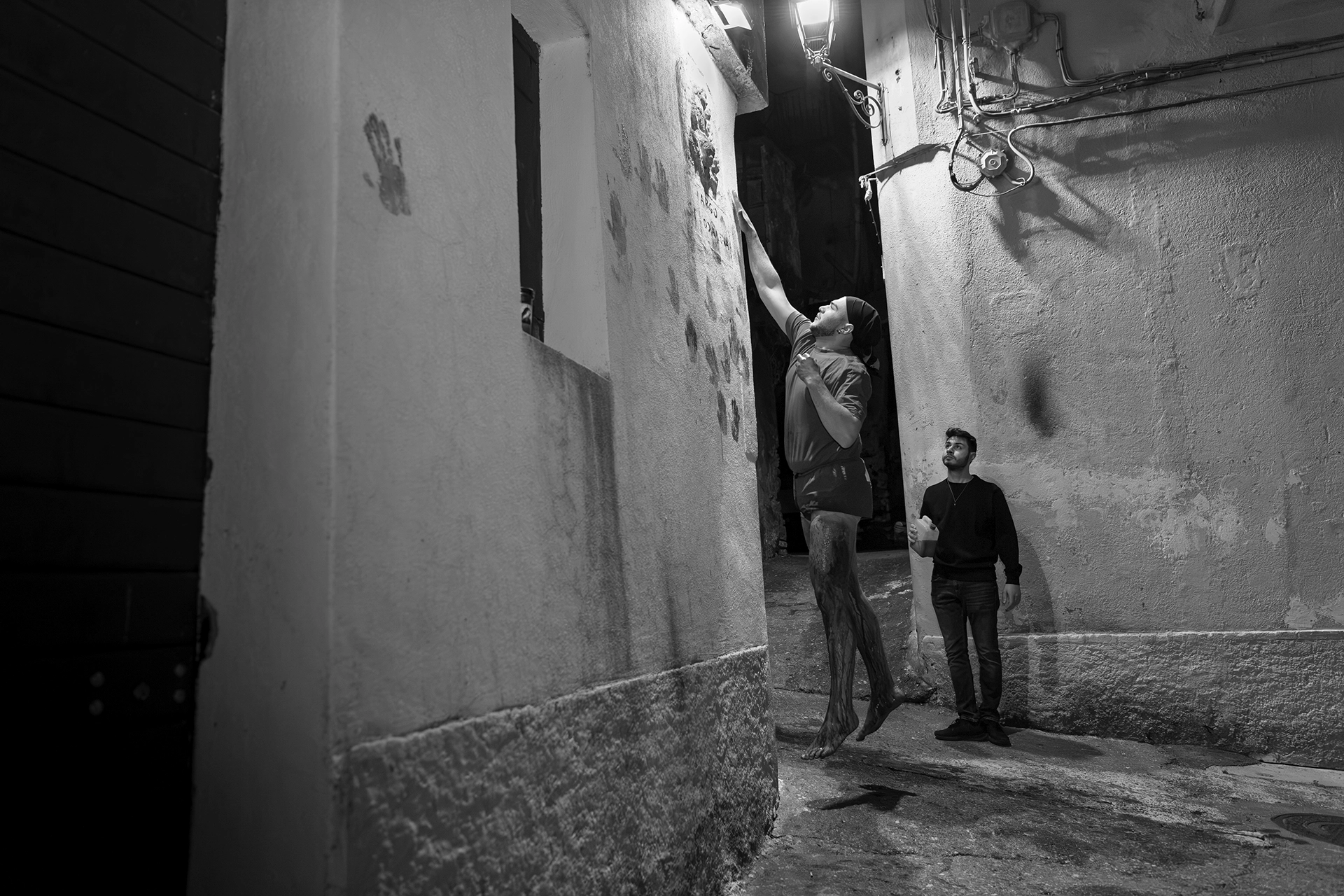
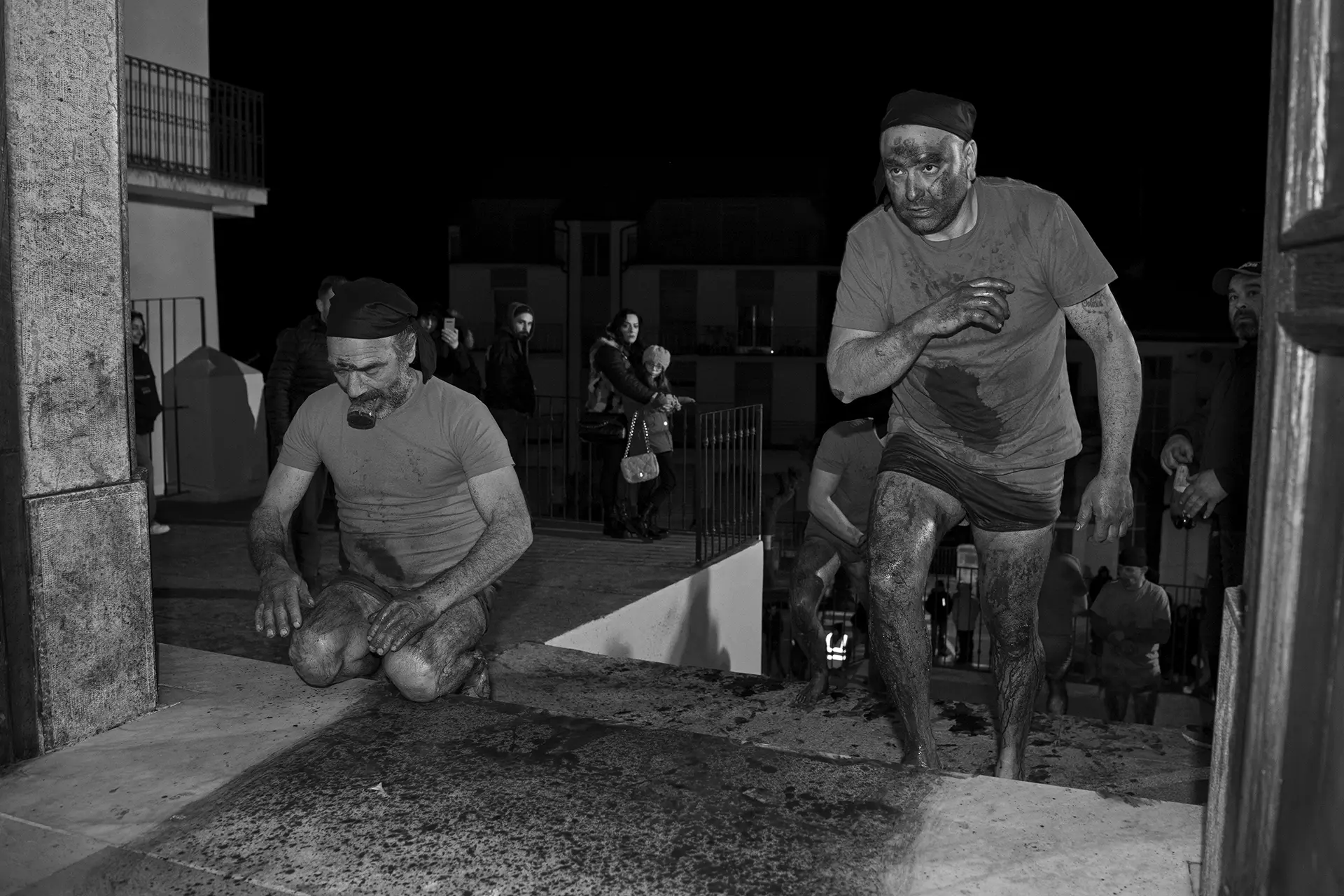
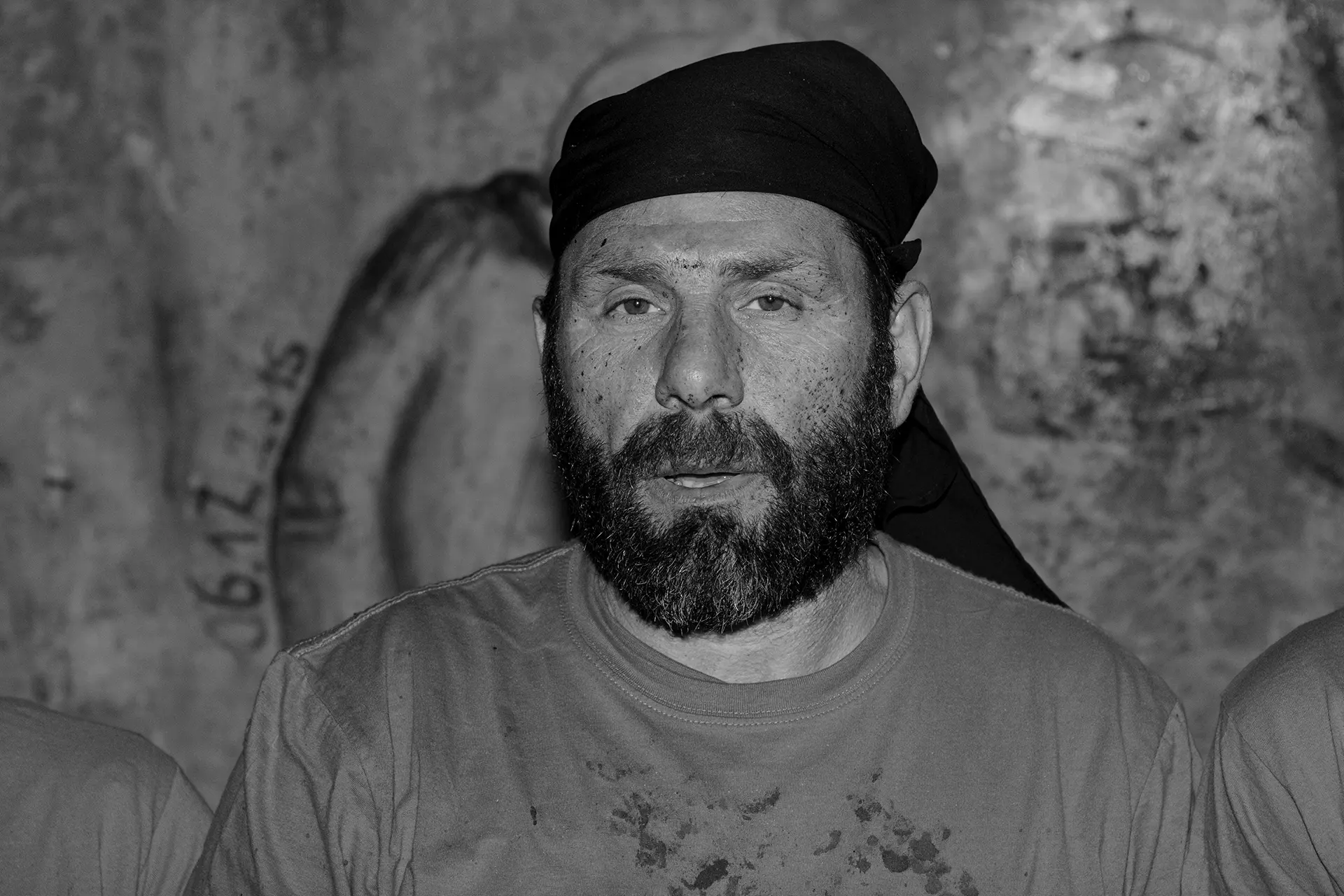
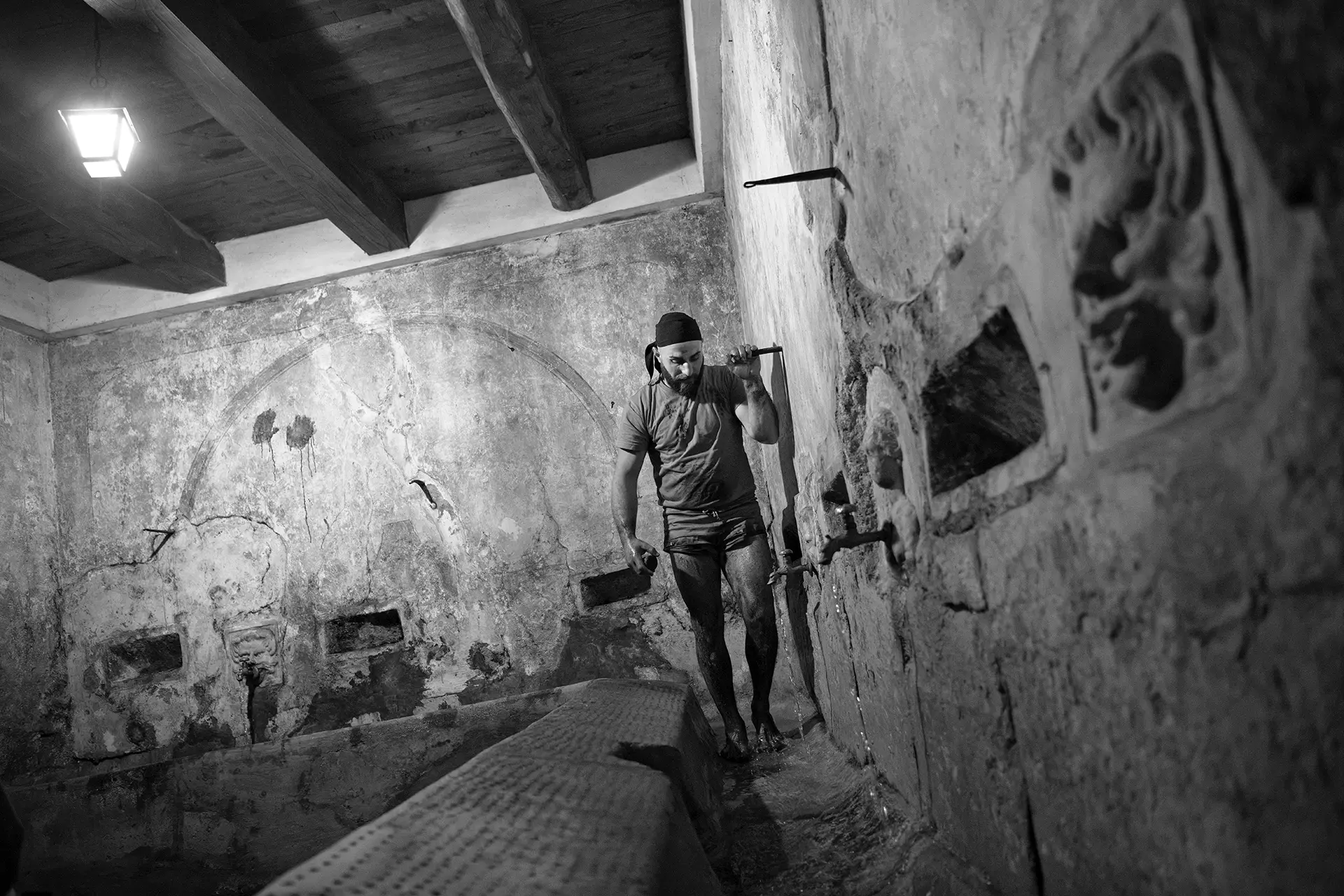
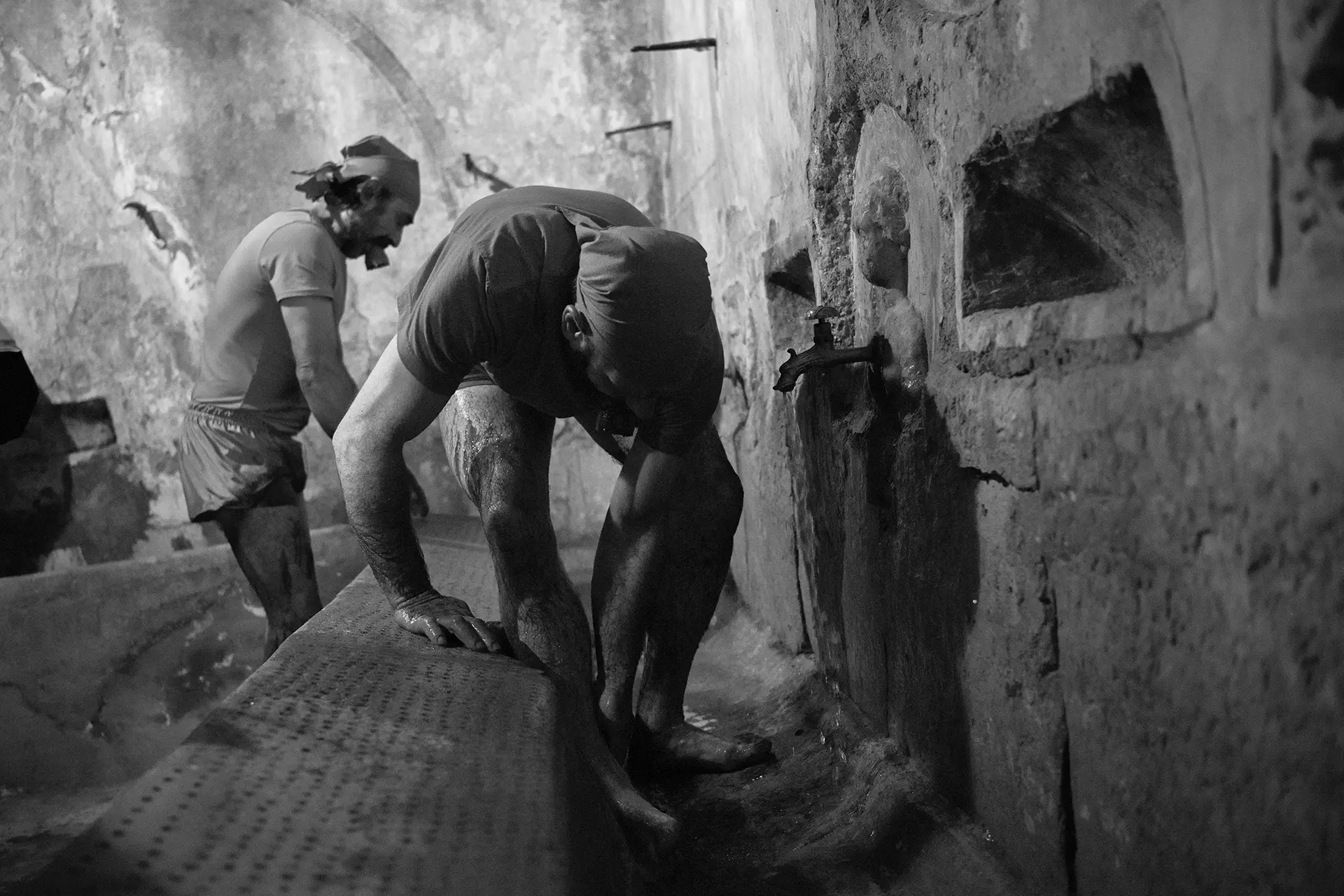
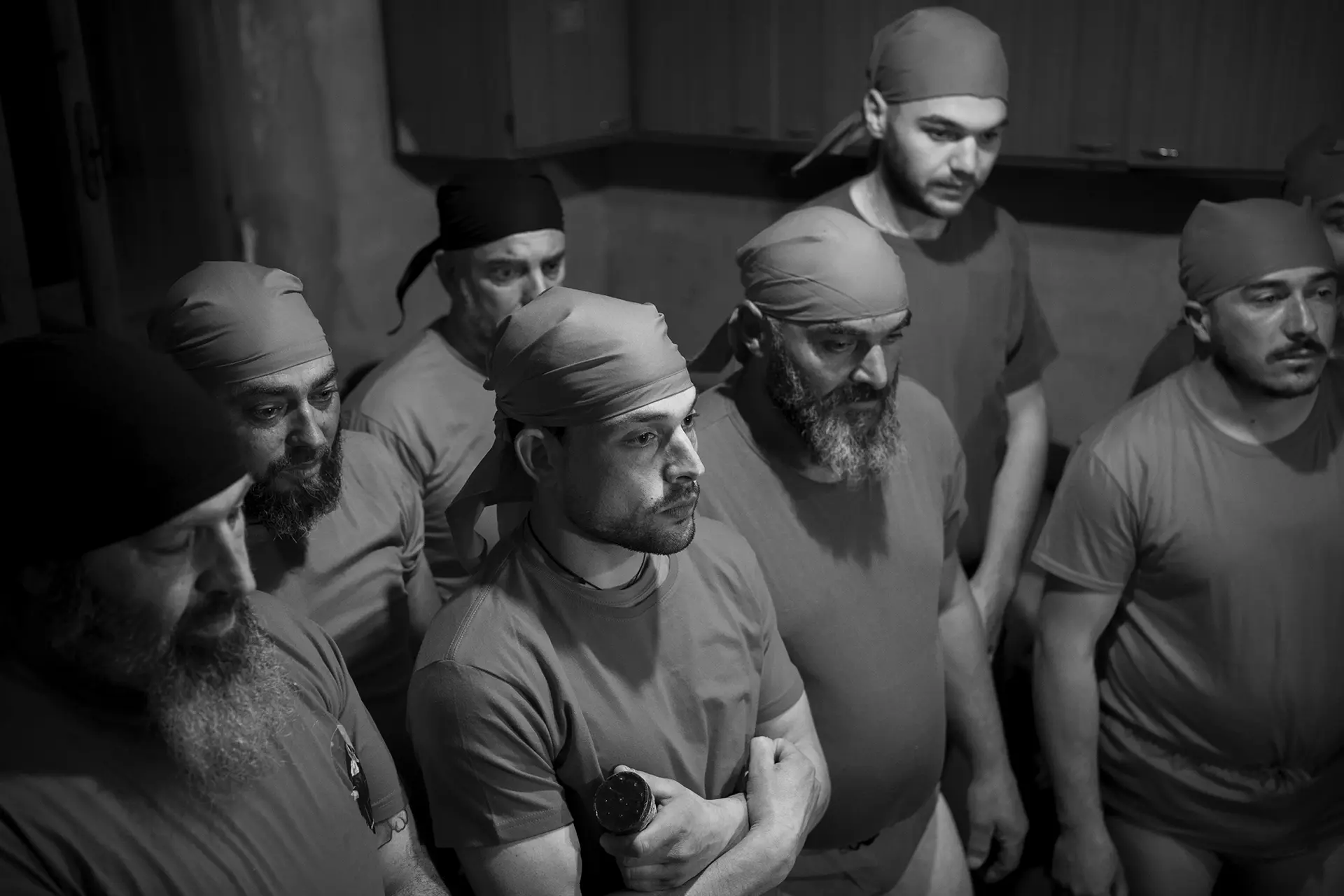
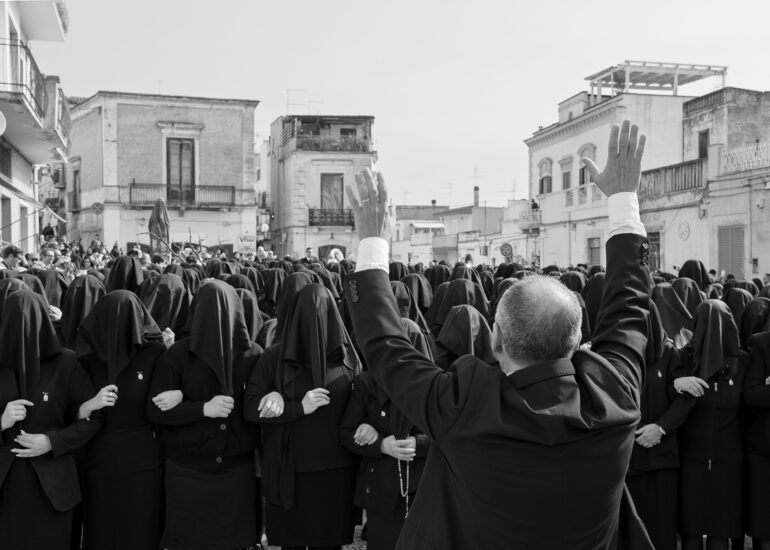
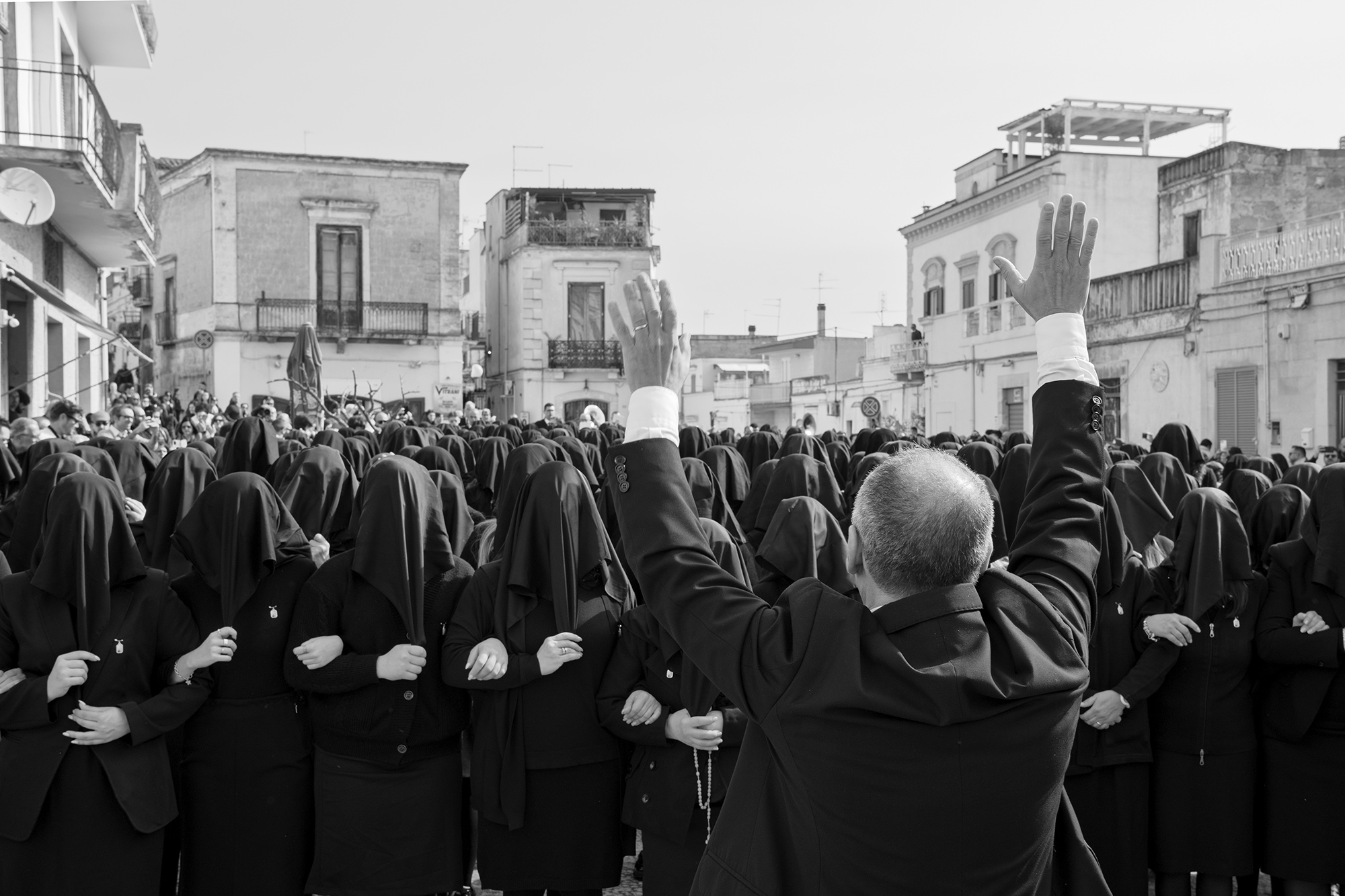
After a brief and intimate preparation, the Battenti suddenly appear in the streets of Verbicaro. The ritual begins almost without warning, emerging from the silence of the town. The body becomes the place through which devotion takes shape, while the journey gradually transforms the everyday landscape into a ritual space.
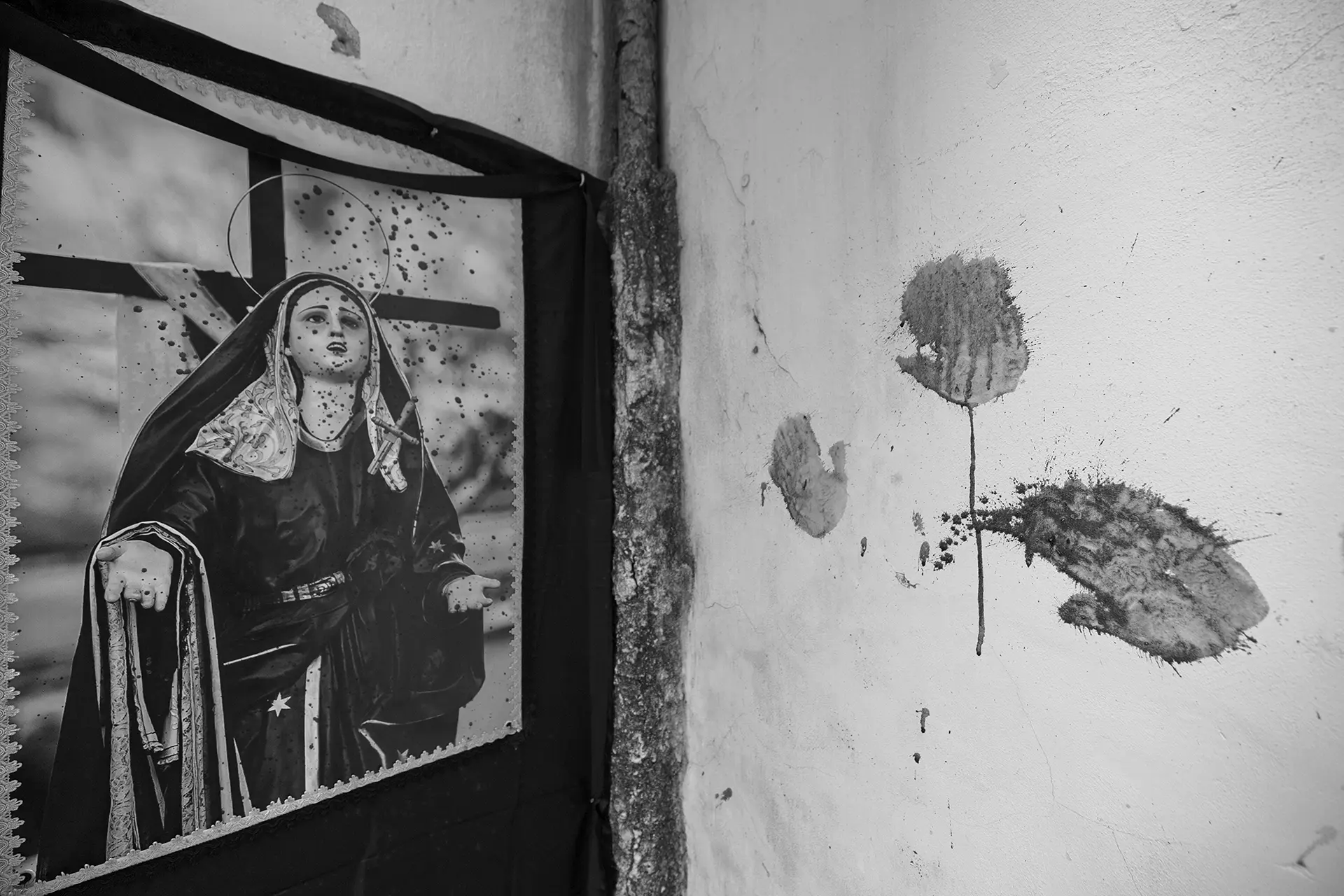
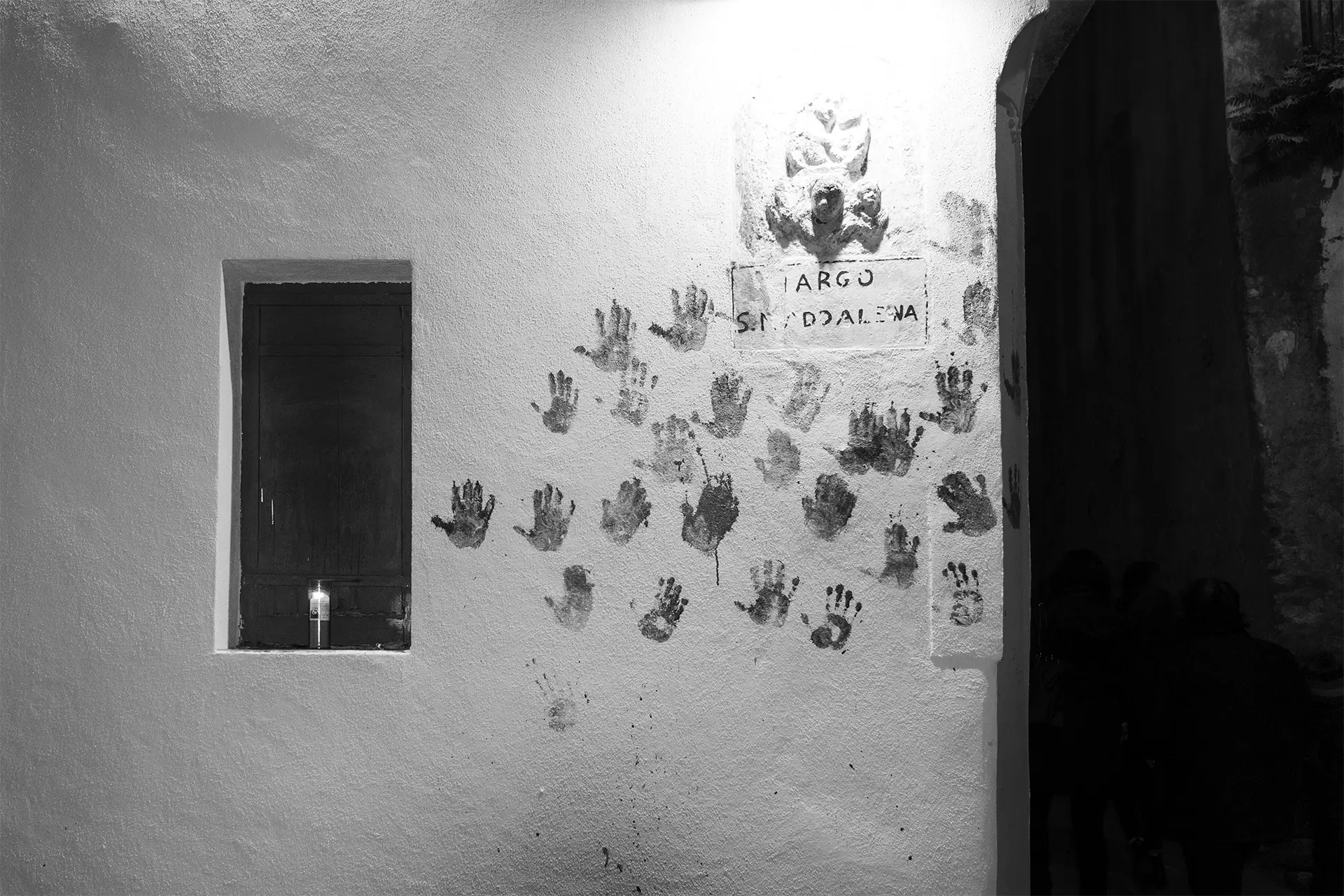
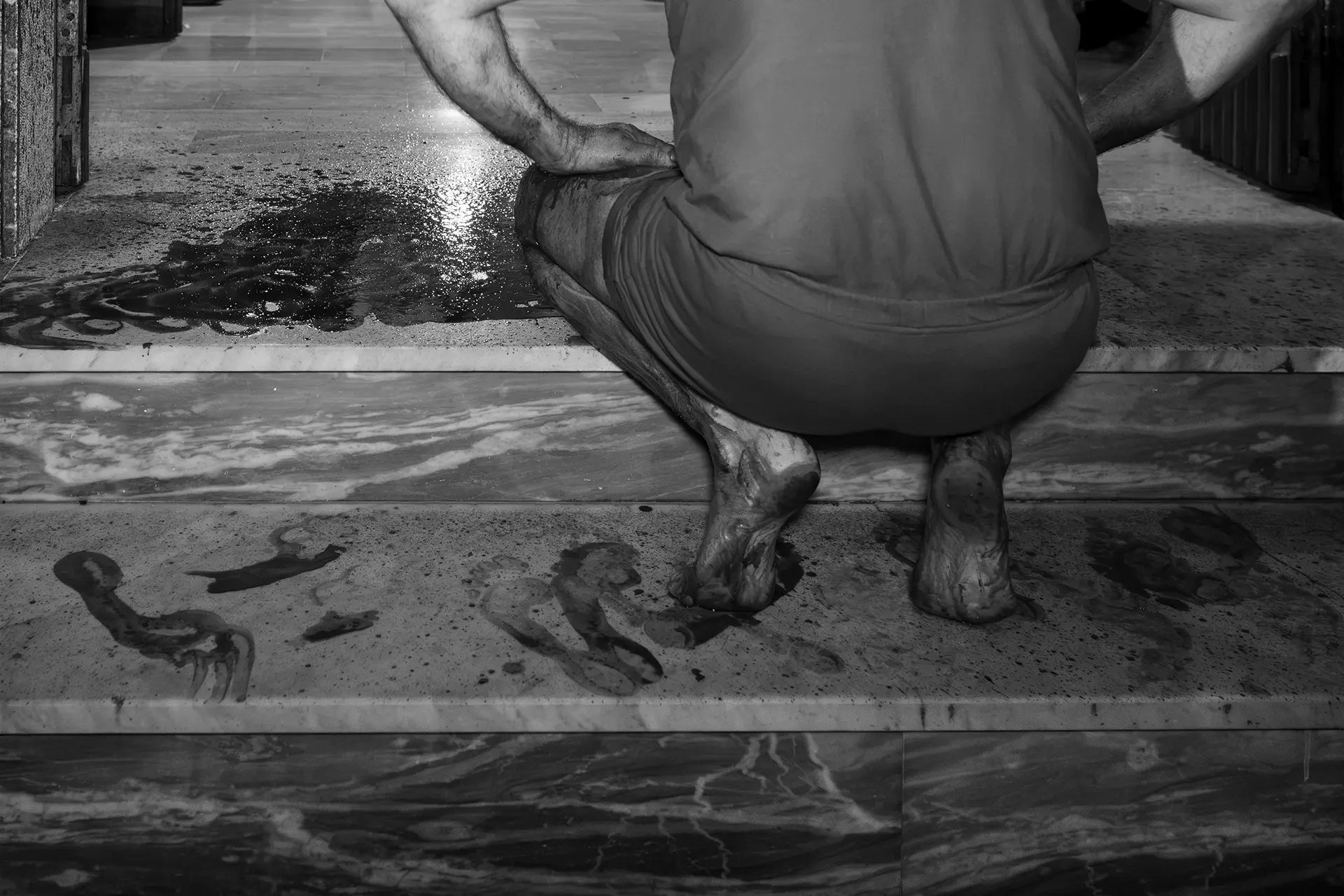
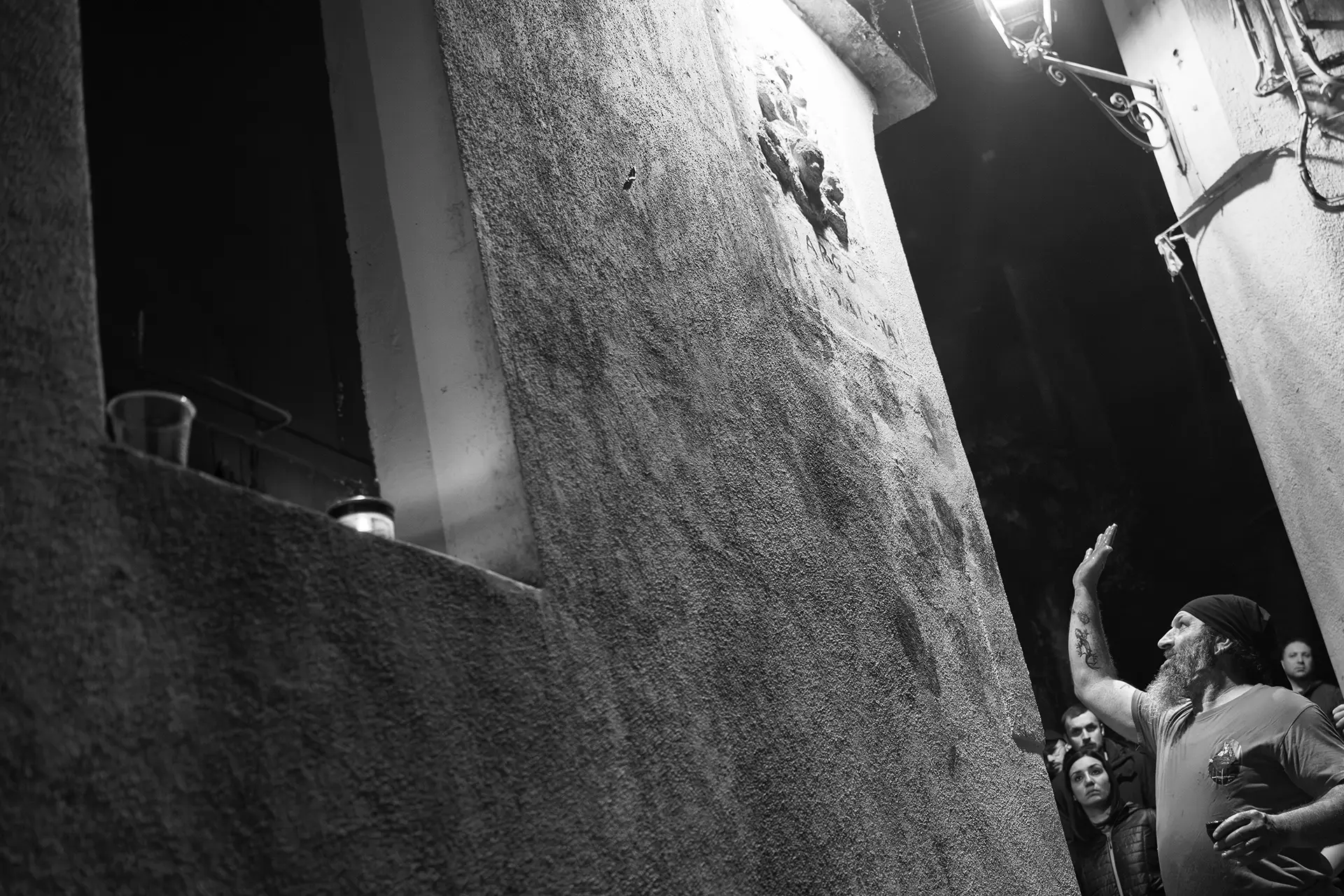
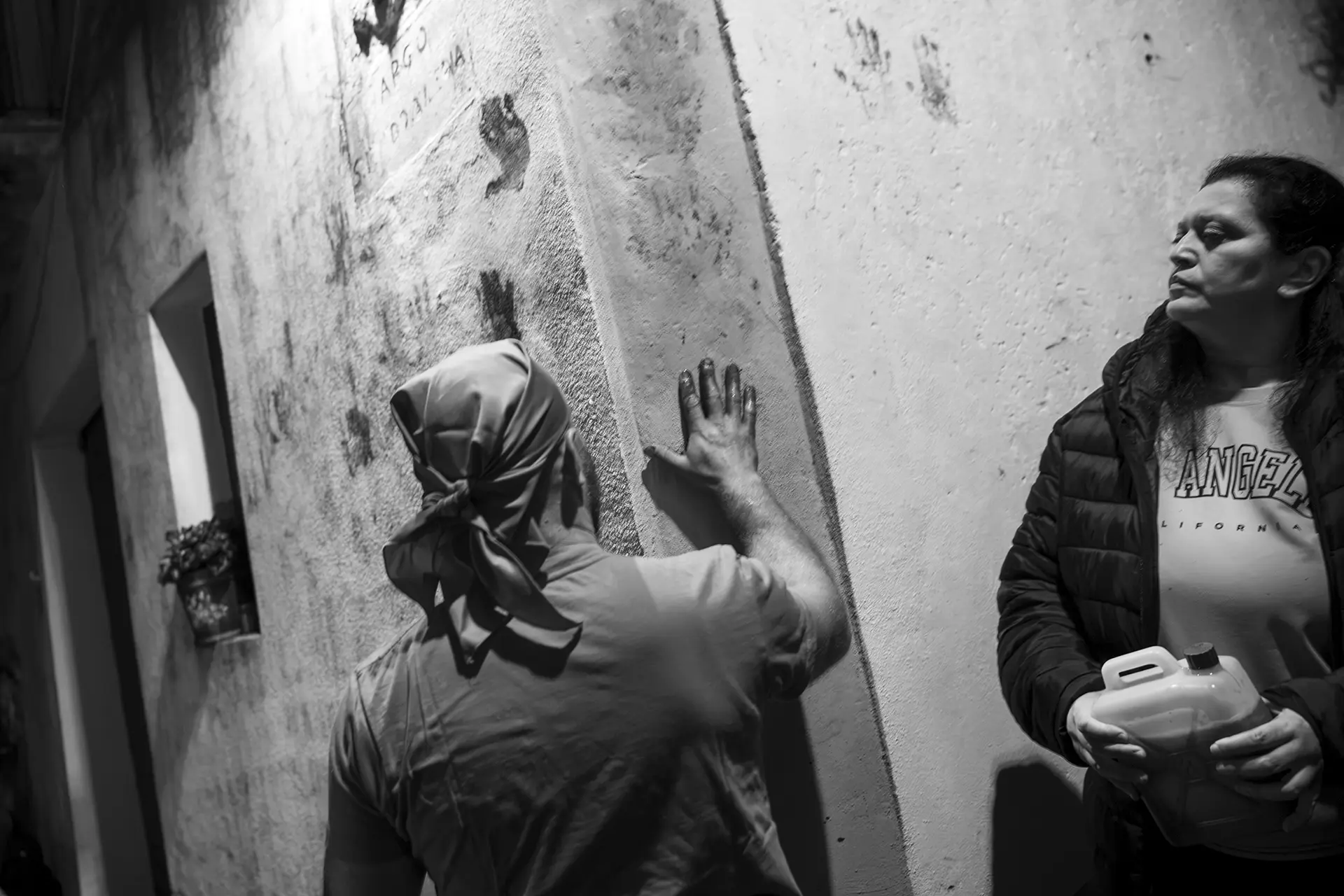
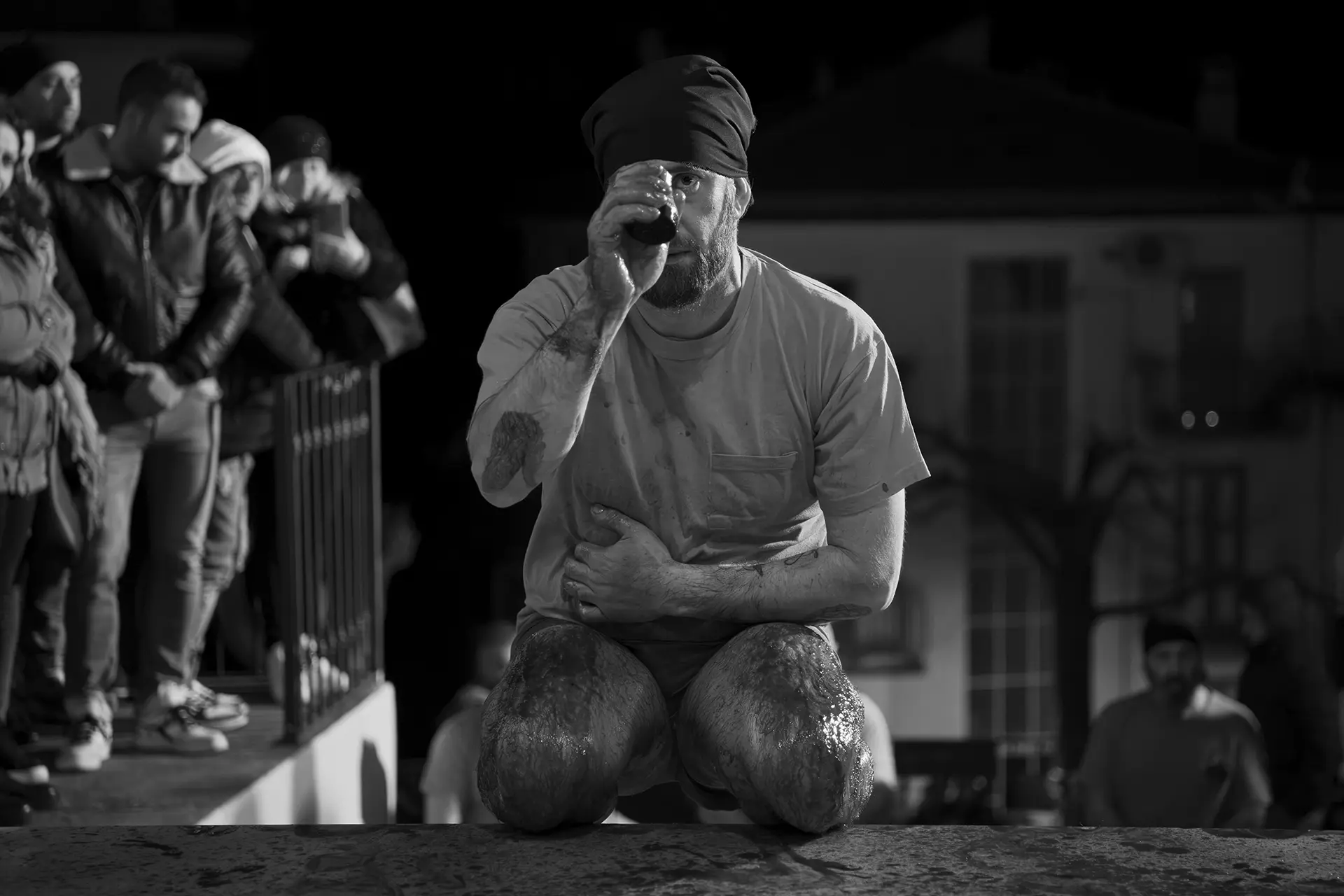
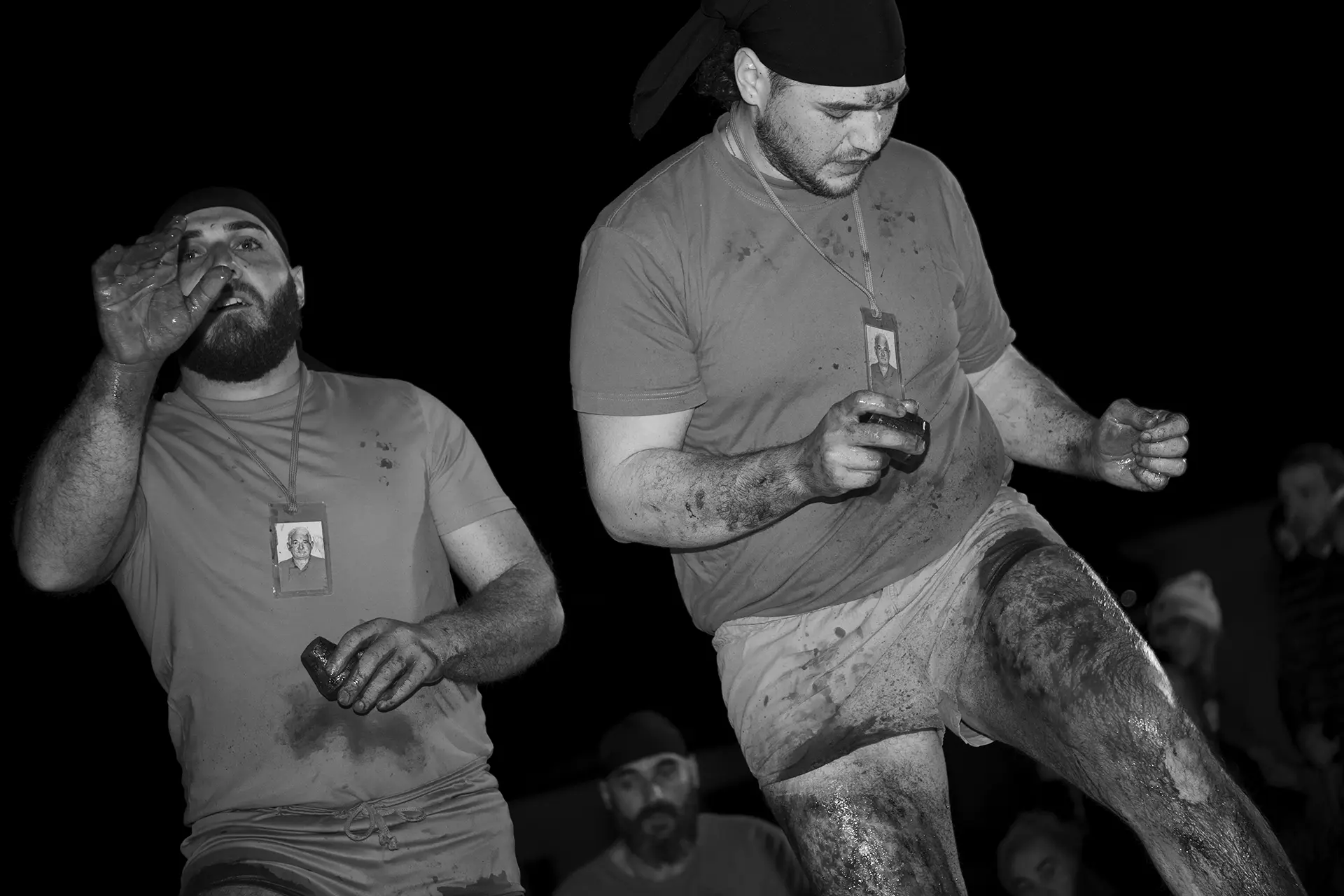
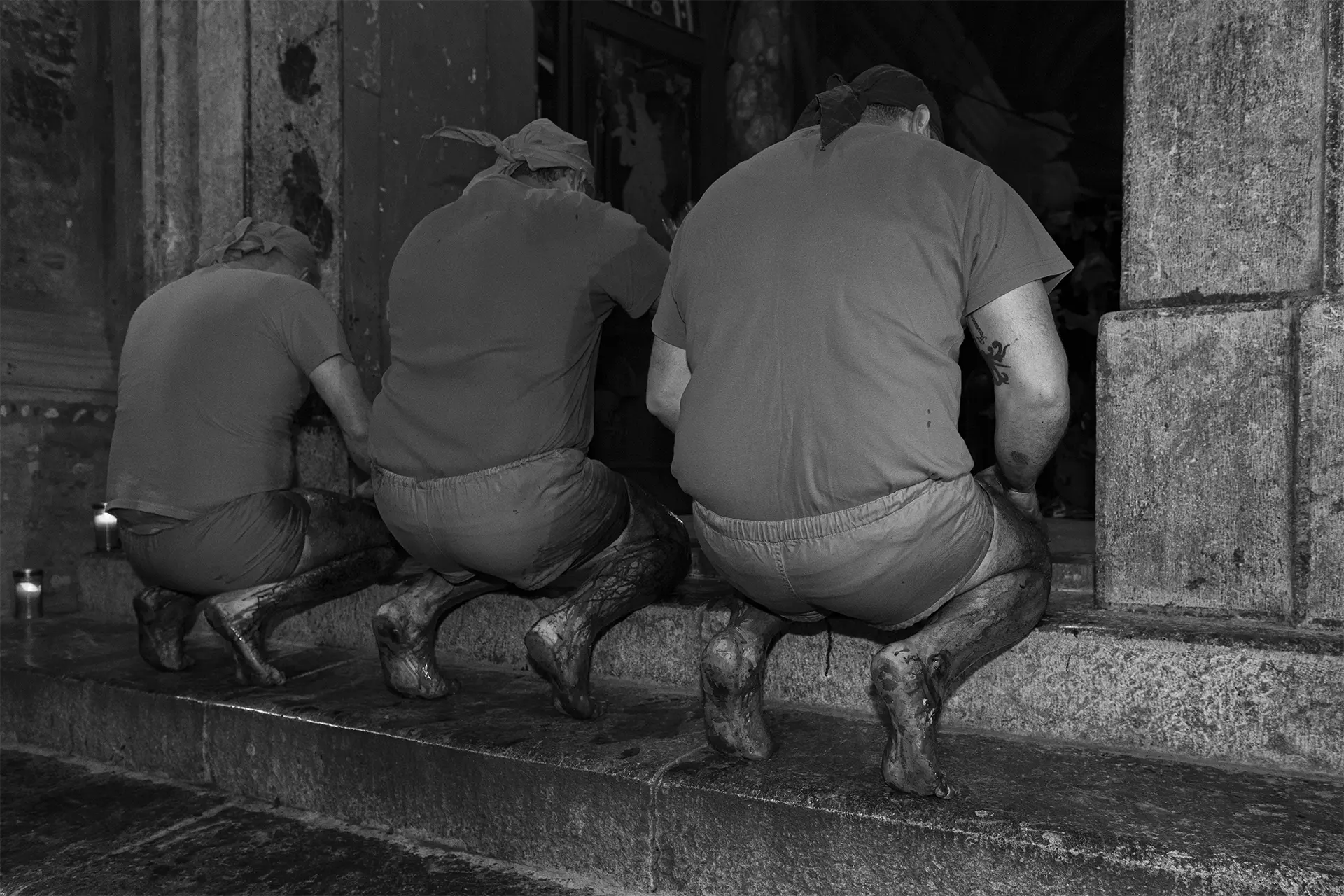
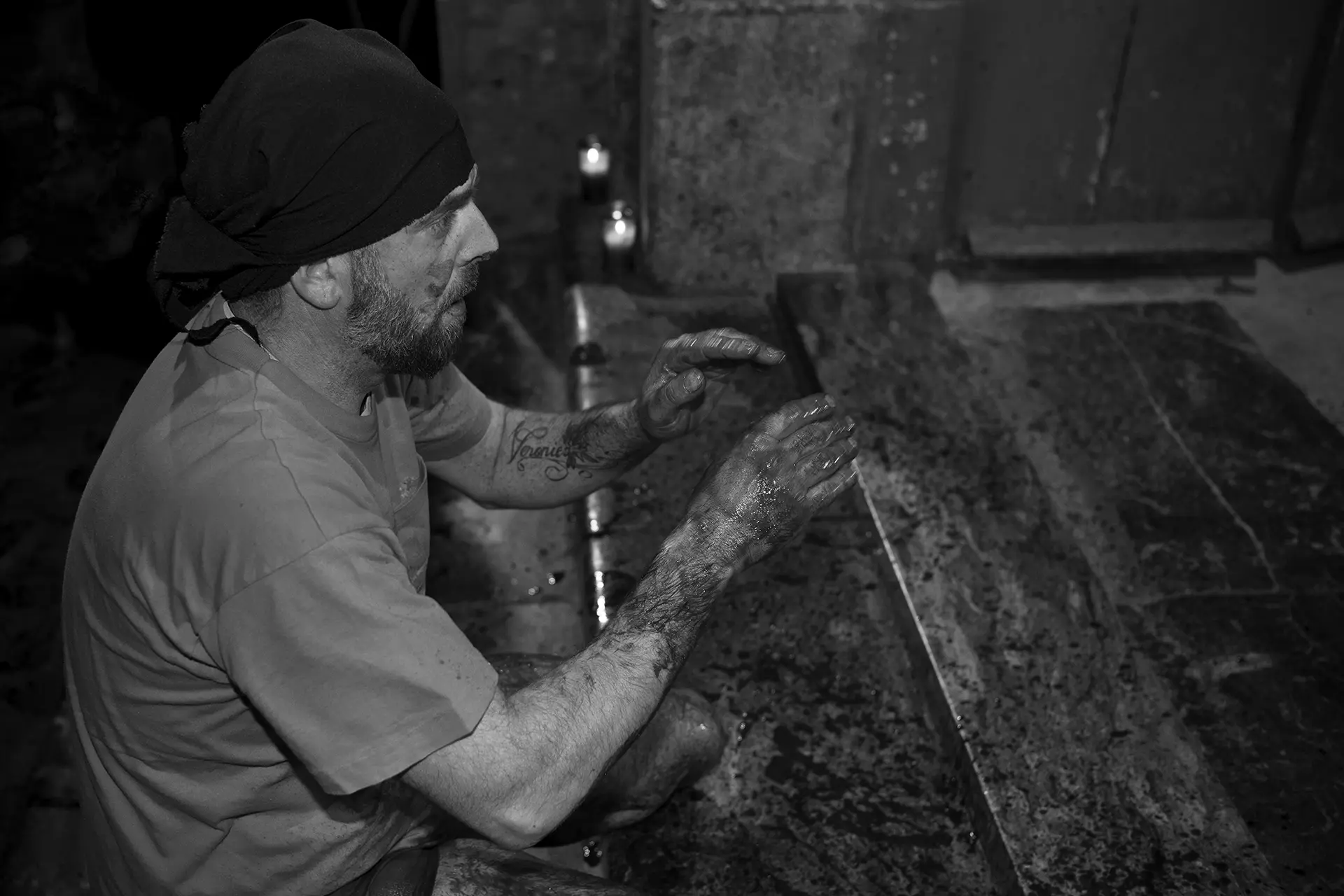
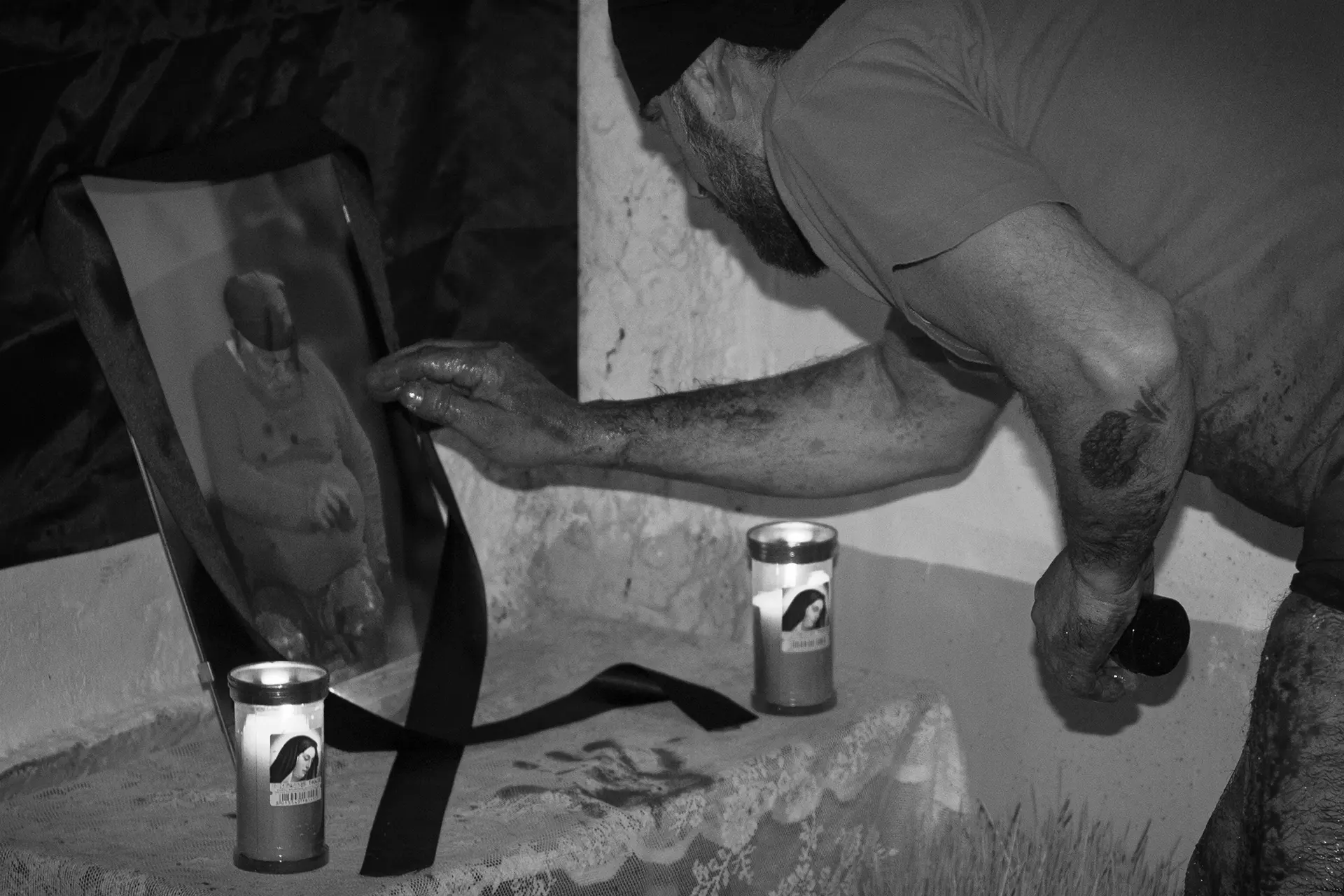
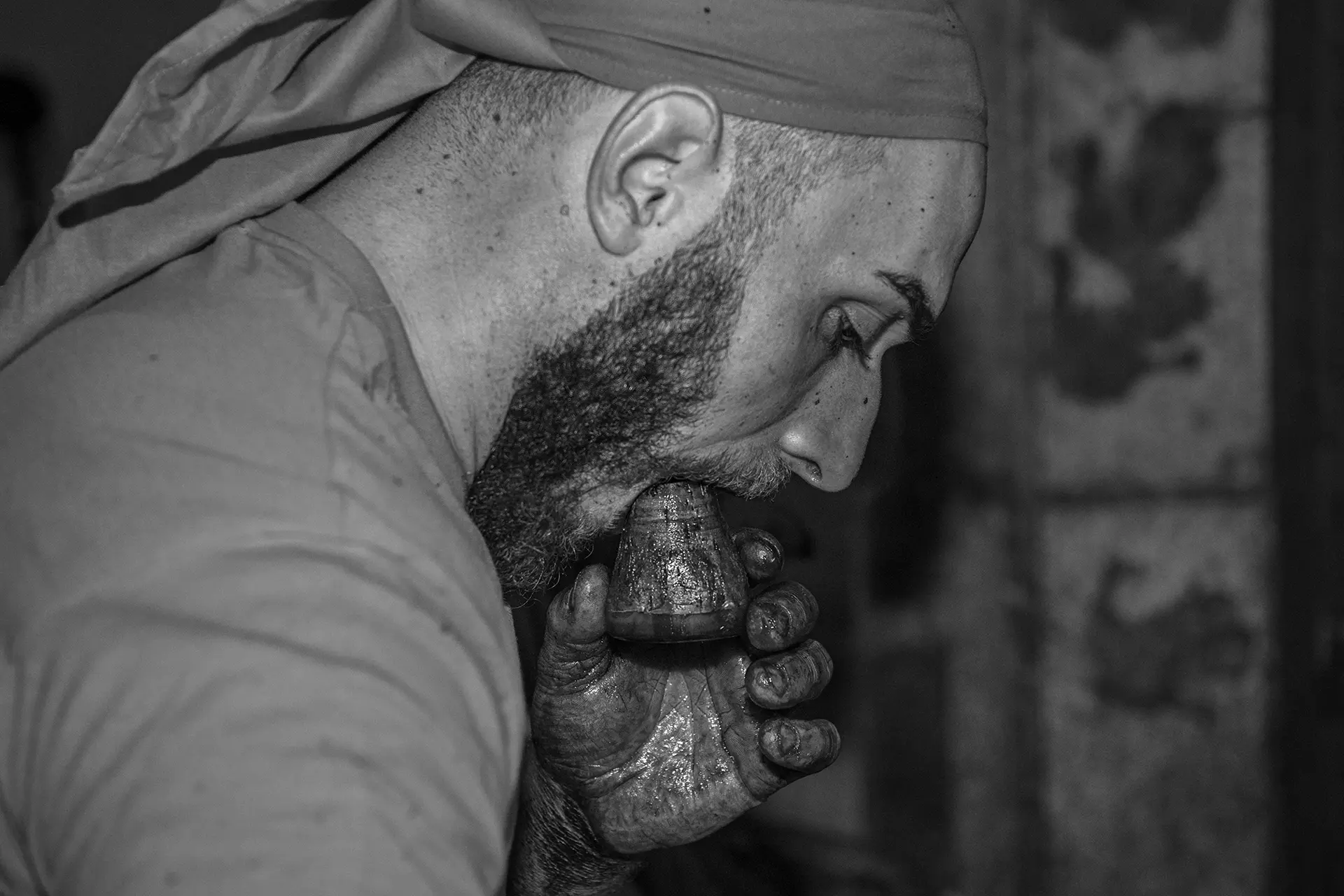
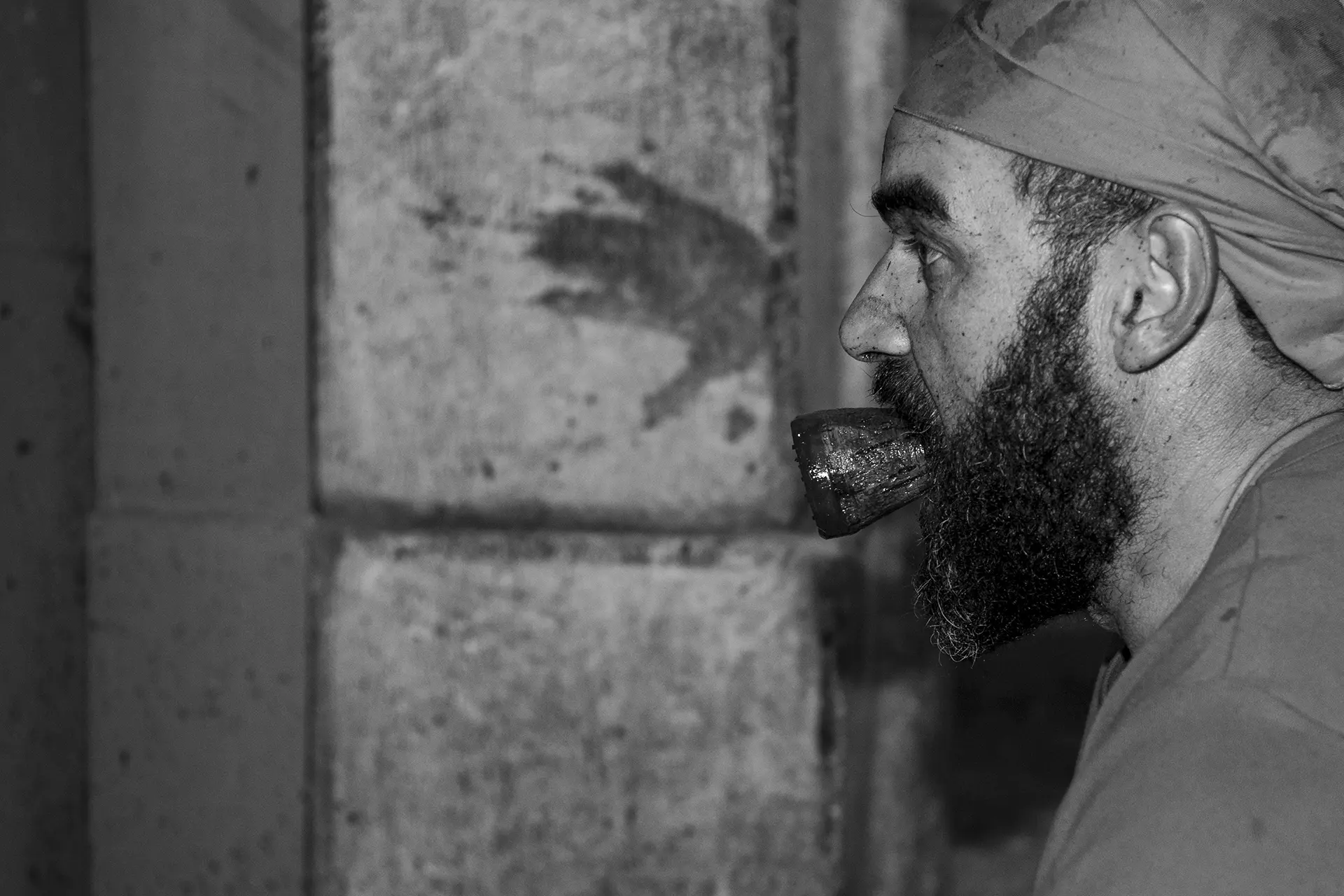
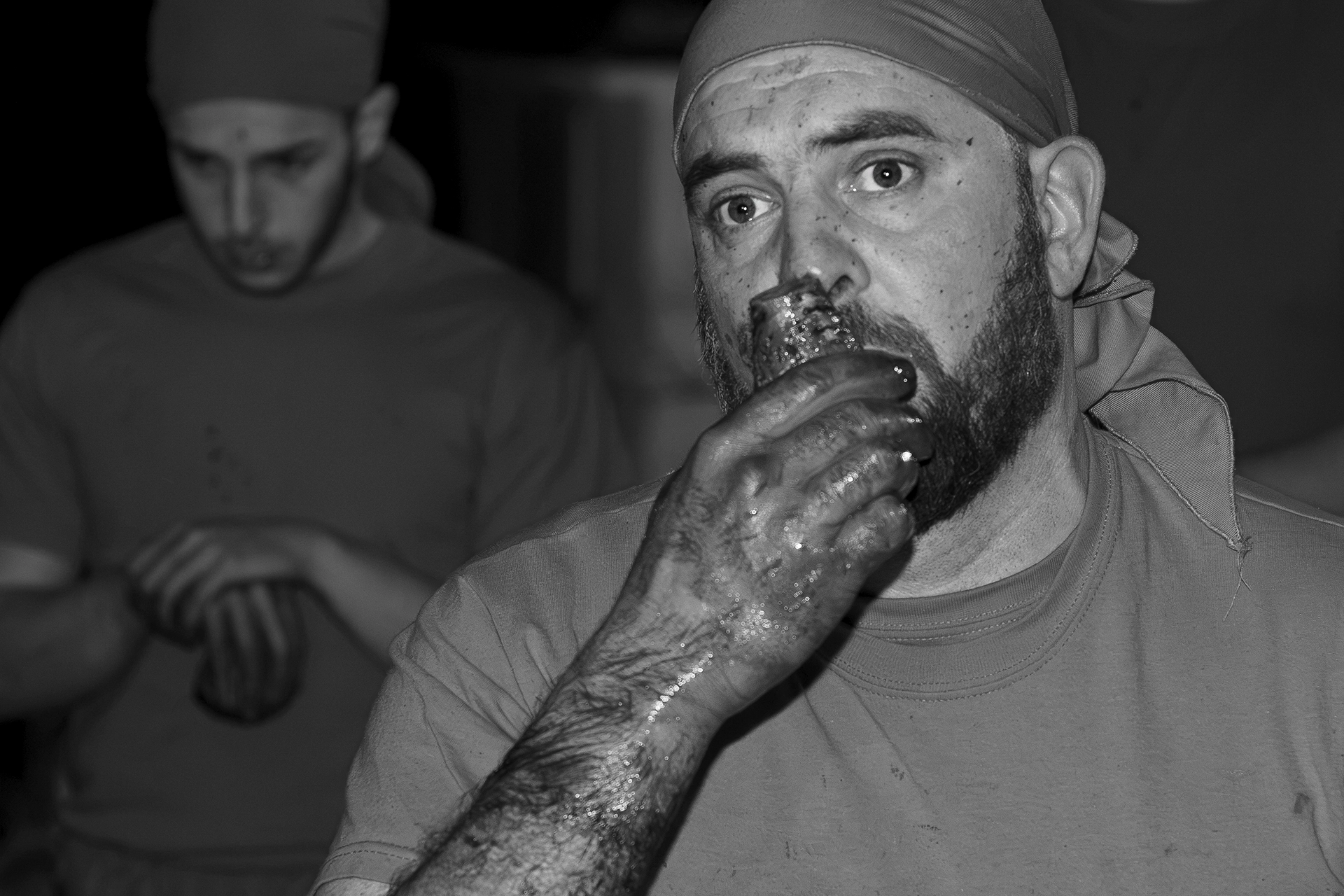
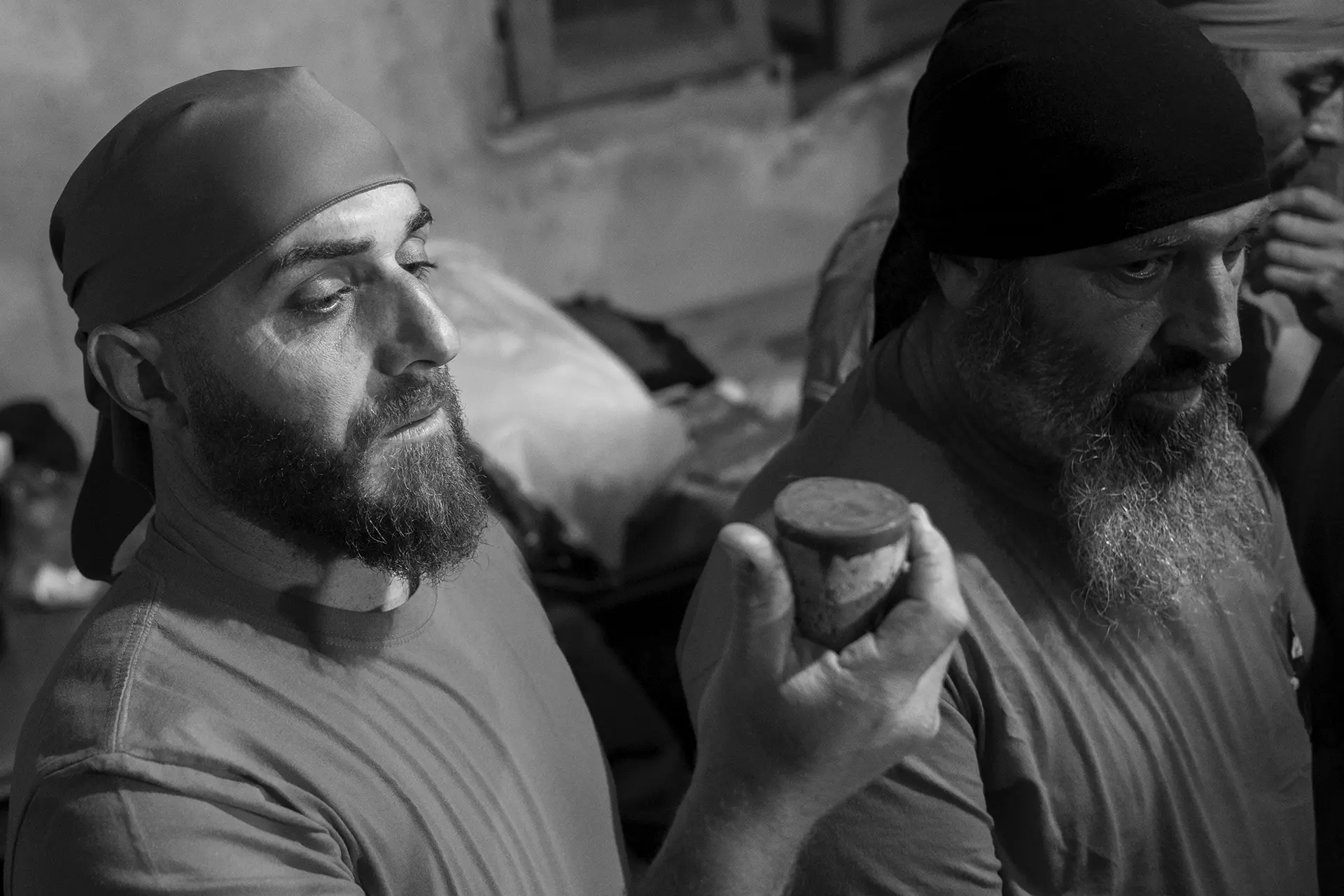
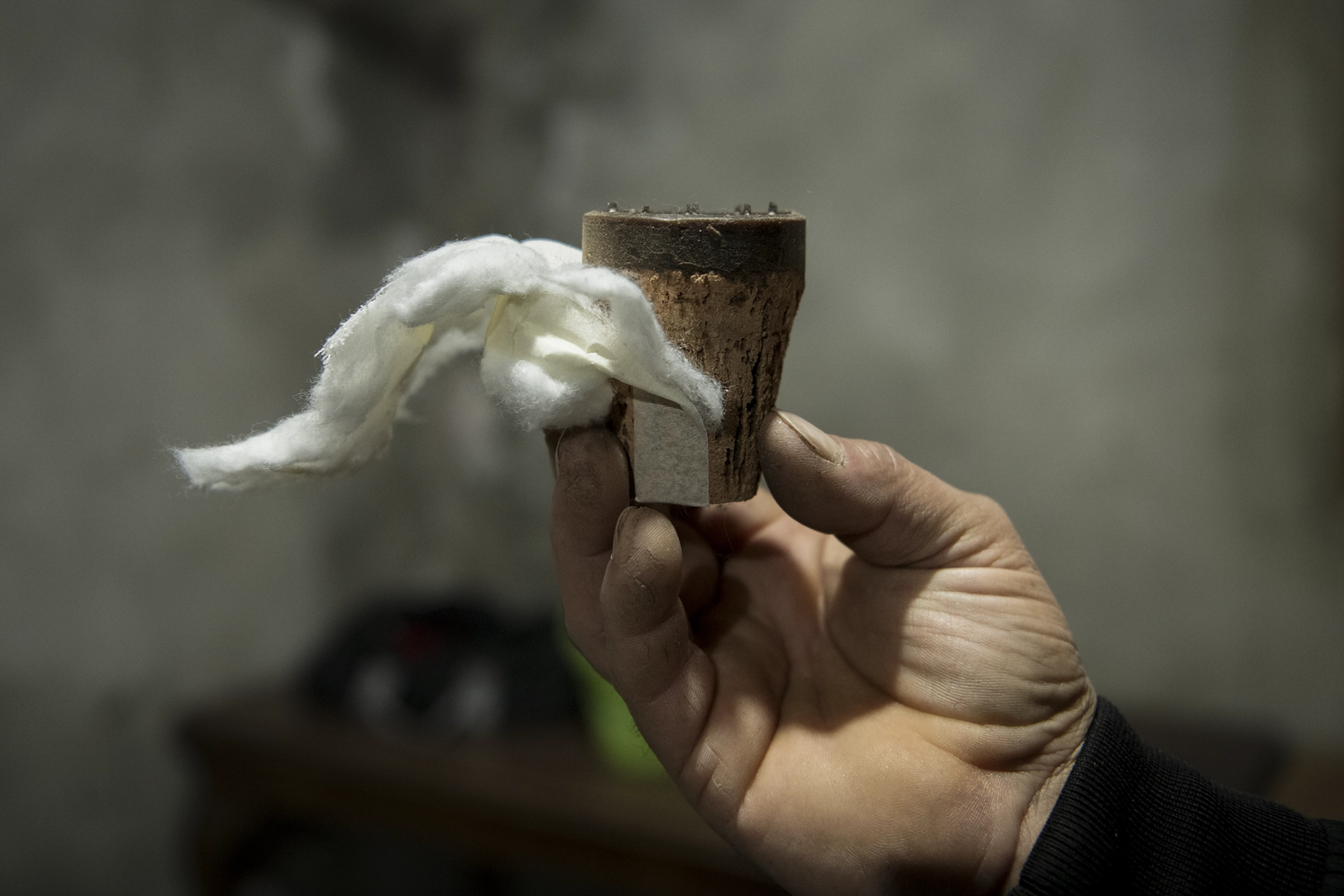
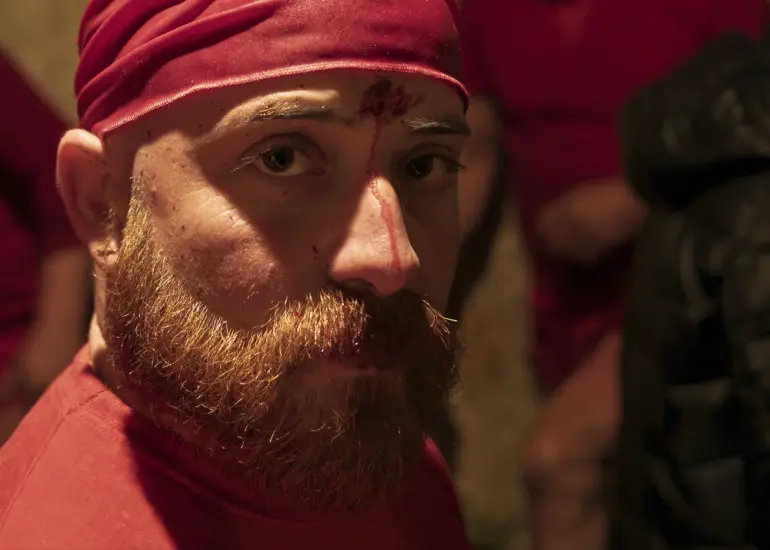
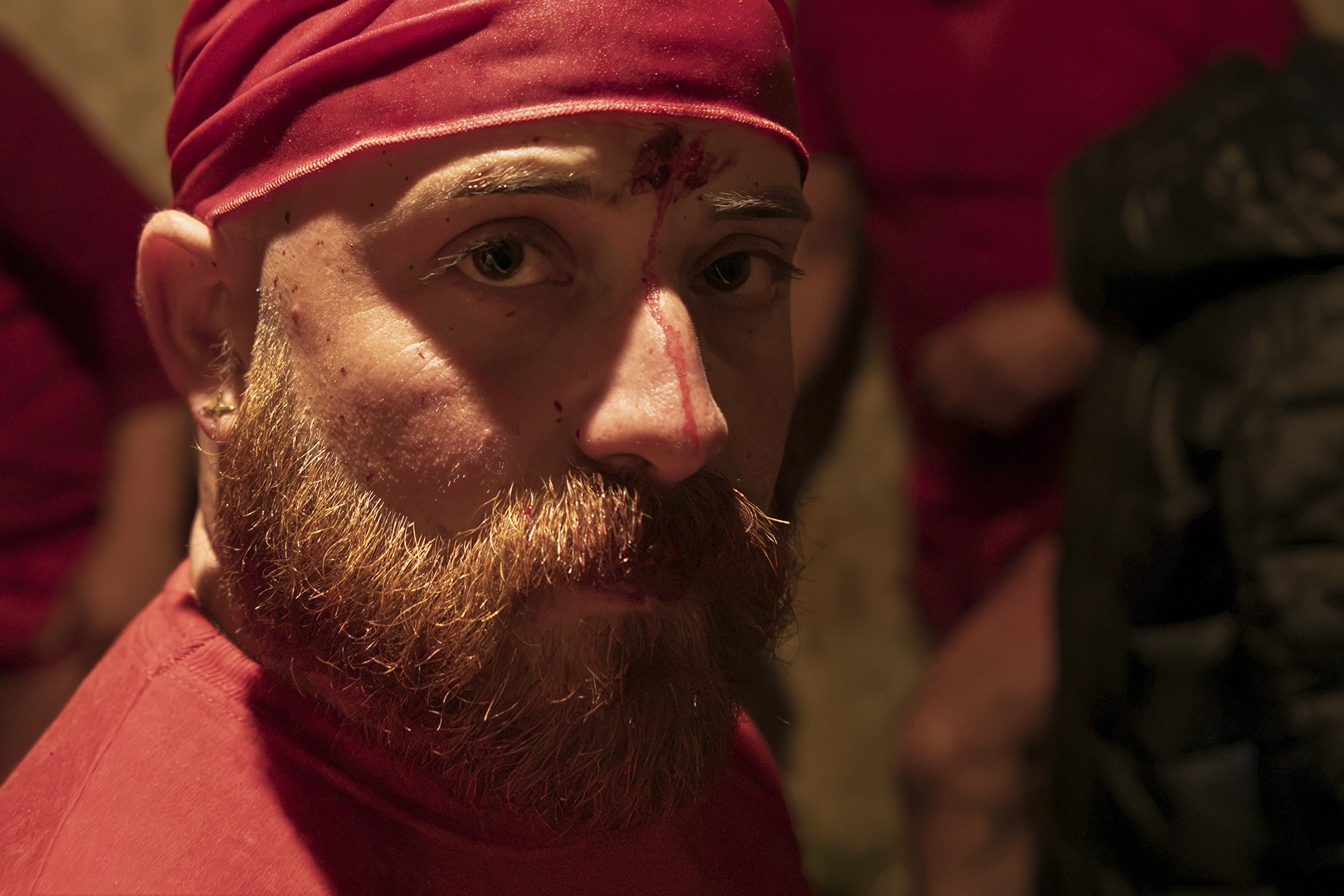
Using a cardillo, a small cork stopper with nine fragments of glass fixed to one end with wax, the Battenti repeatedly strike their thighs. The gesture, deliberate and repetitive, breaks the skin and brings forth blood, which is left on the churchyards and doorposts of churches and votive chapels, marking the passage of the participants through these sacred places.
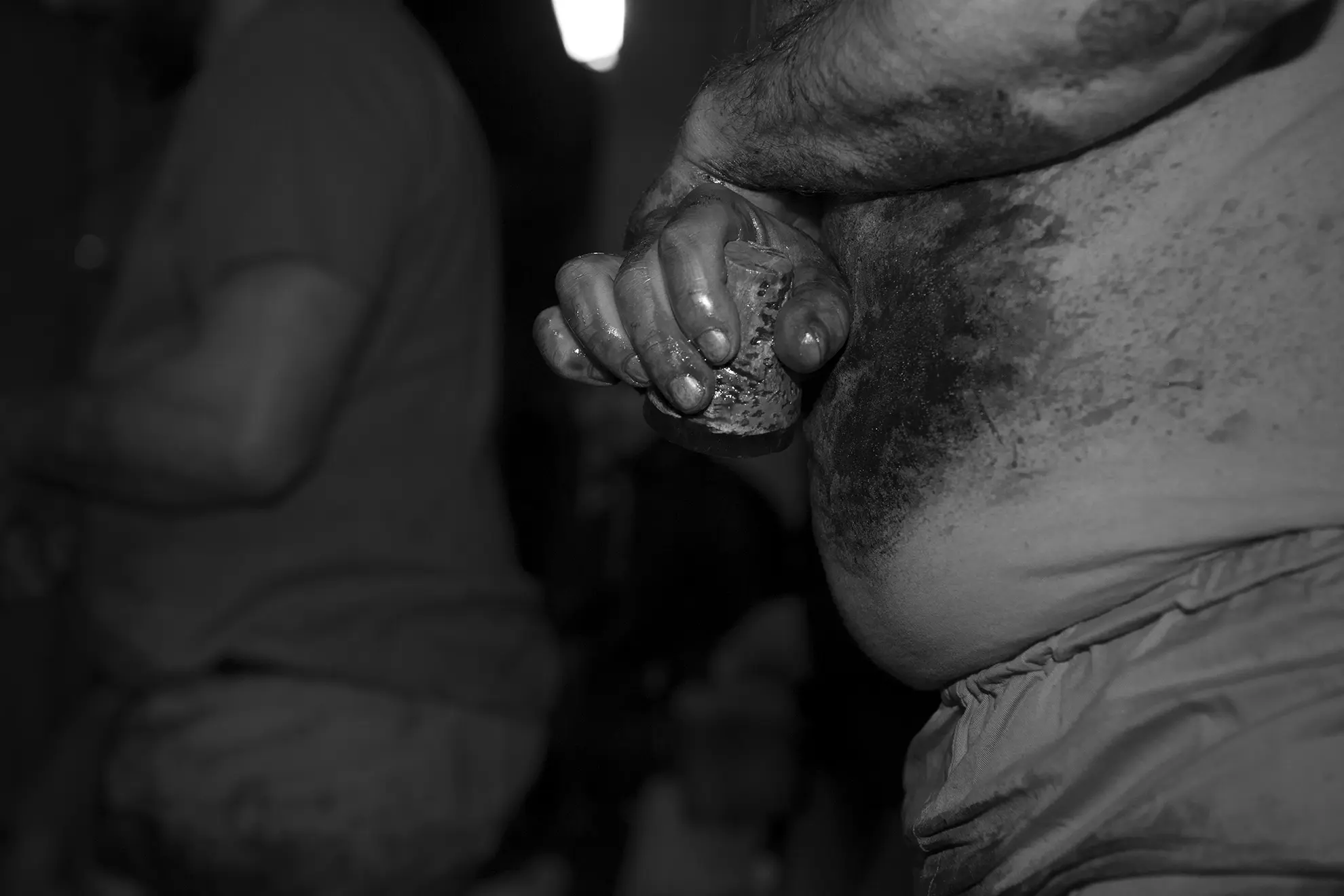
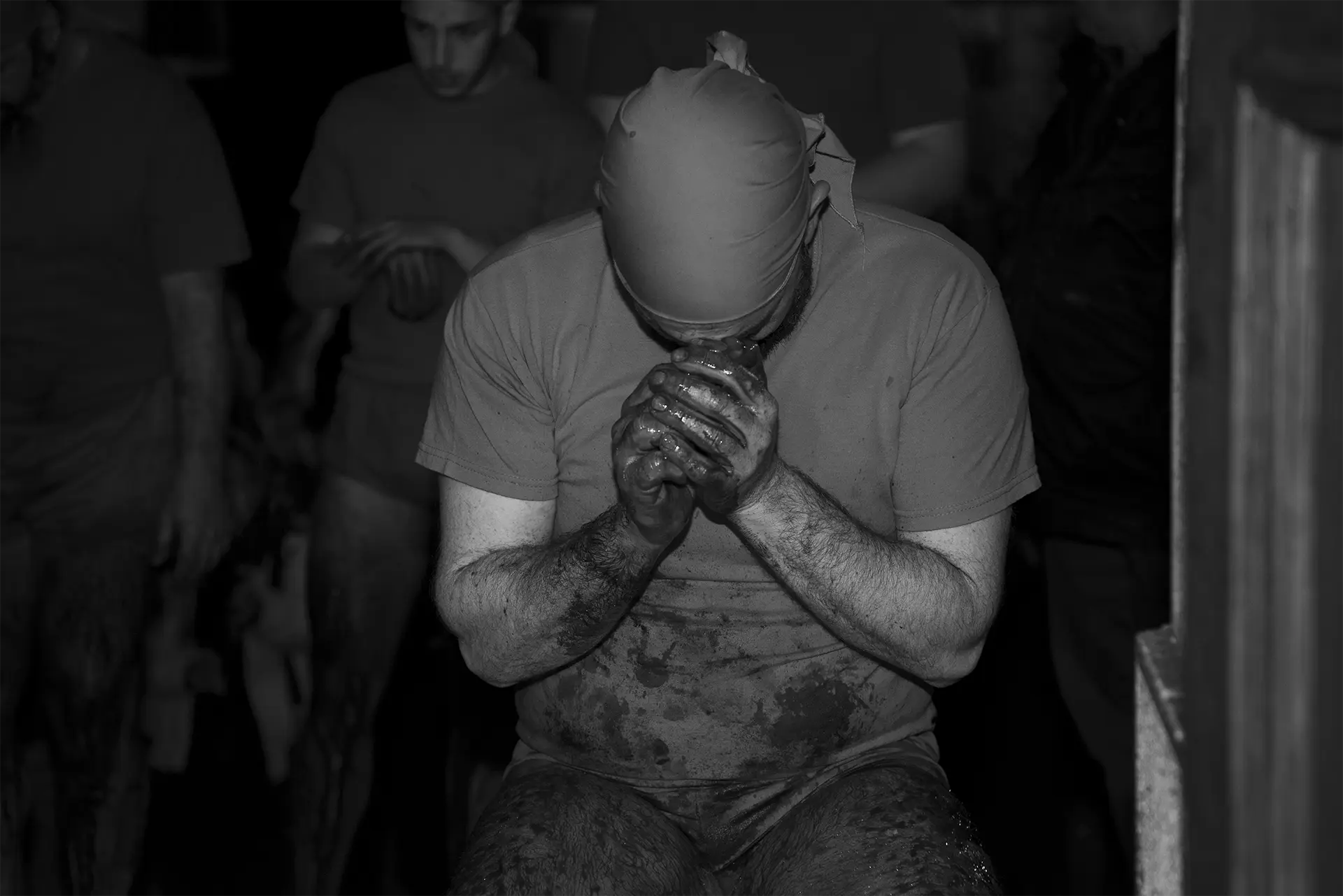
Still practiced in Calabria during Holy Week, these flagellation rituals survive as an expression of popular religiosity in which the body is not merely a witness, but an integral part of prayer.
Physical suffering becomes an act of devotion, while blood becomes a visible trace of faith and of the vow being fulfilled.In the gesture of the Battenti, the memory of the Christian Passion meets traces of older practices associated with bodily self-denial and with an imagery in which blood also represents purification, vitality, and regeneration. For a brief moment, the marked body moves through the streets of the town, bringing into the everyday landscape the tangible mark of a faith experienced through the body.