The Women of the Desolata
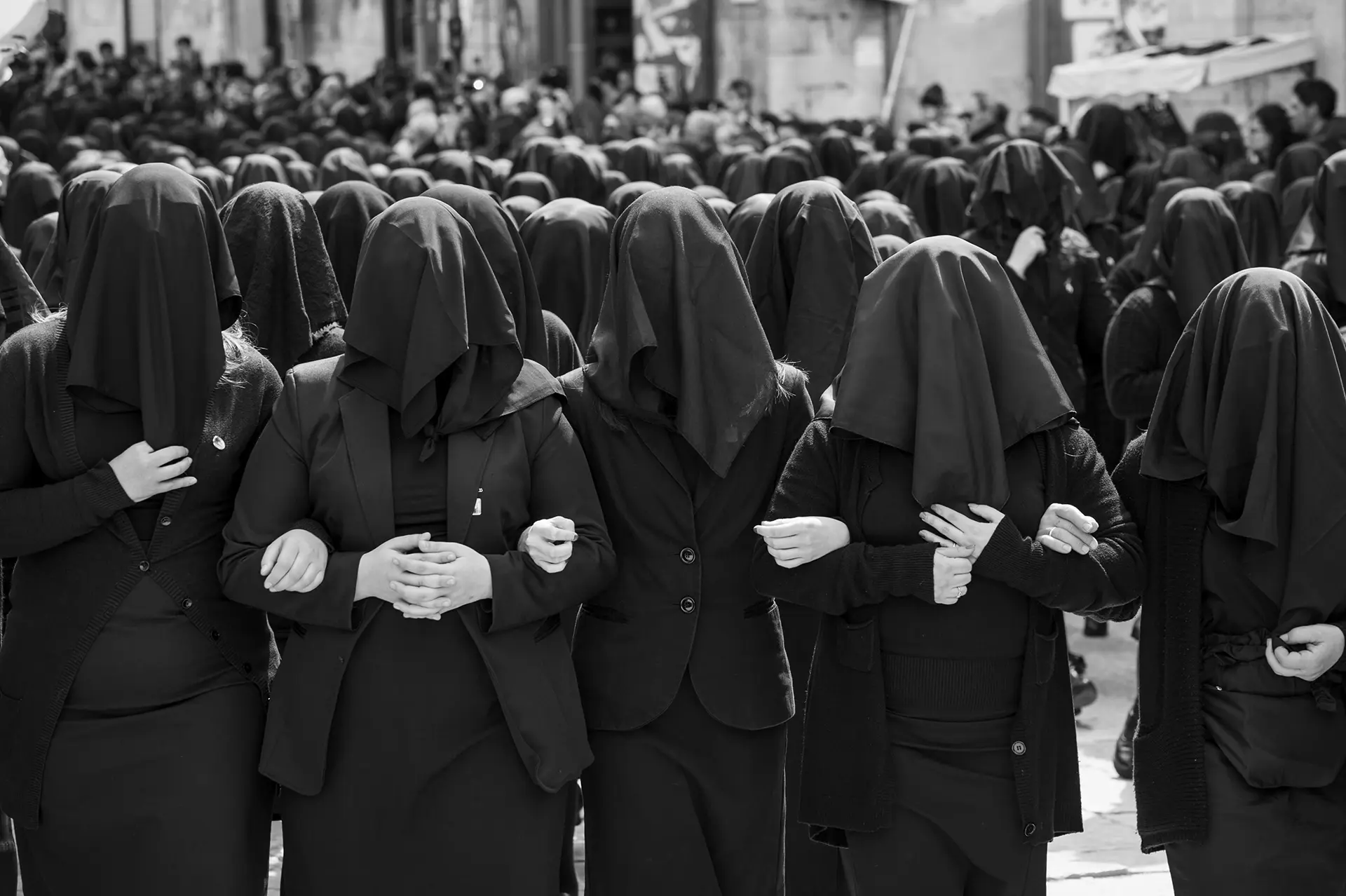
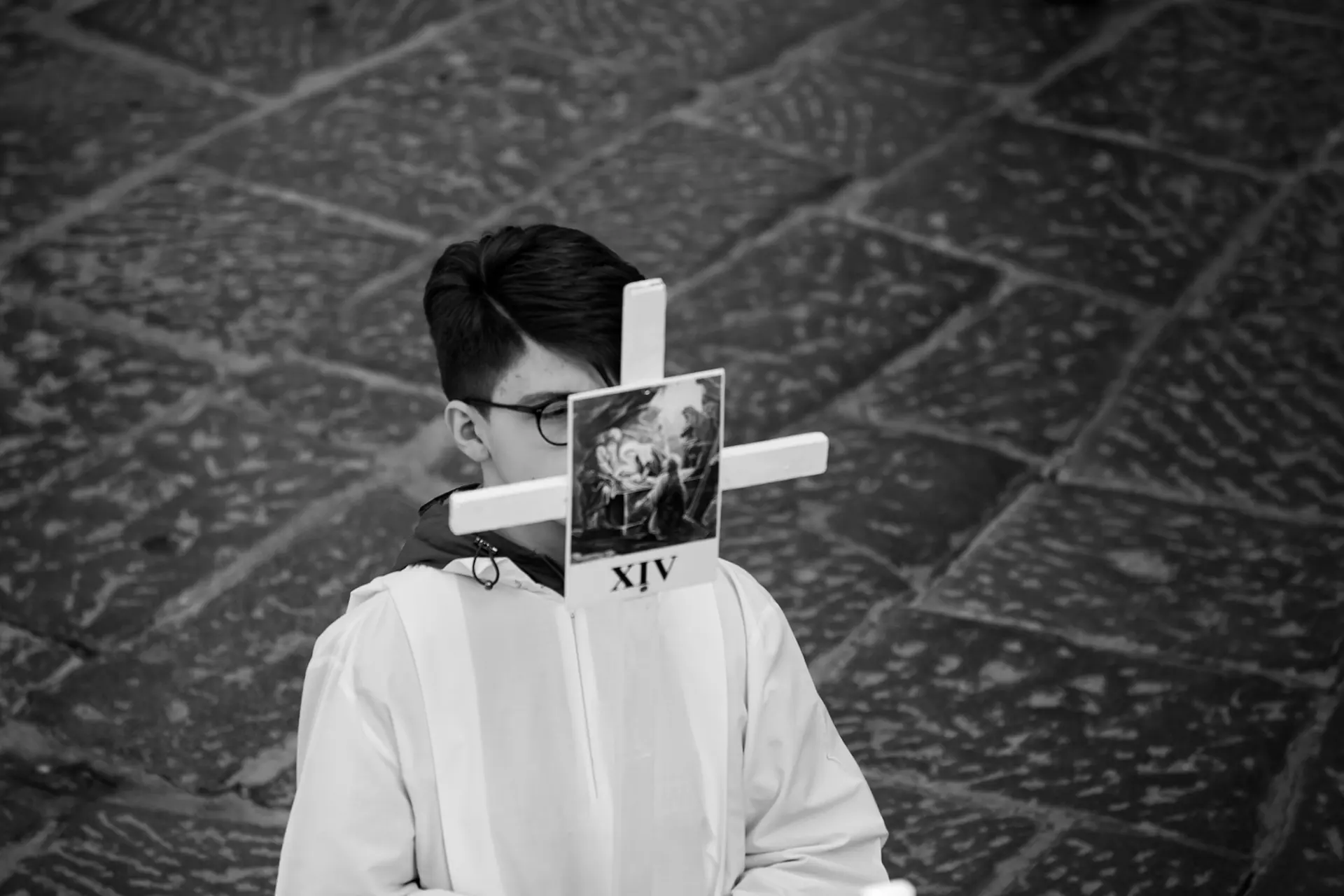
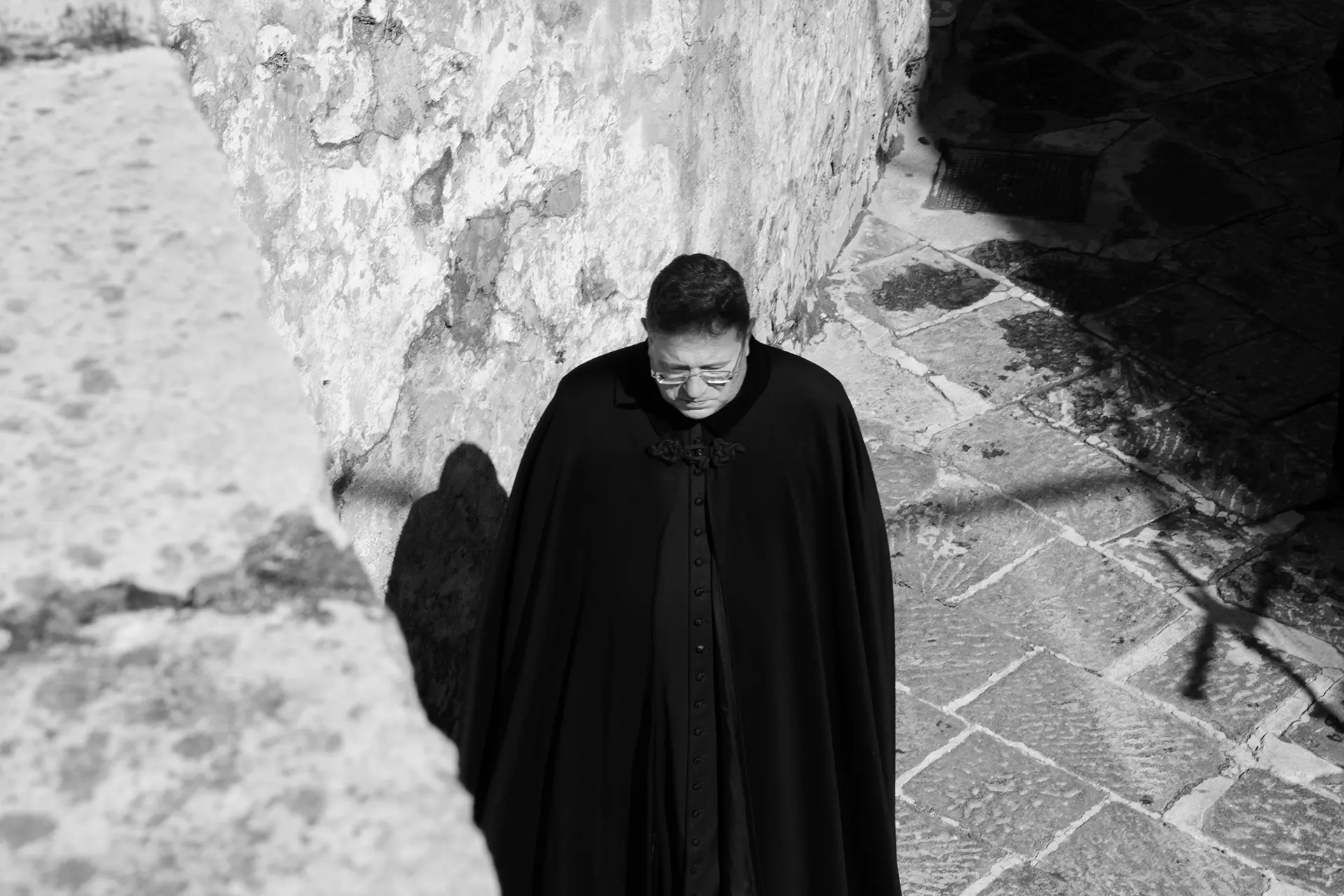
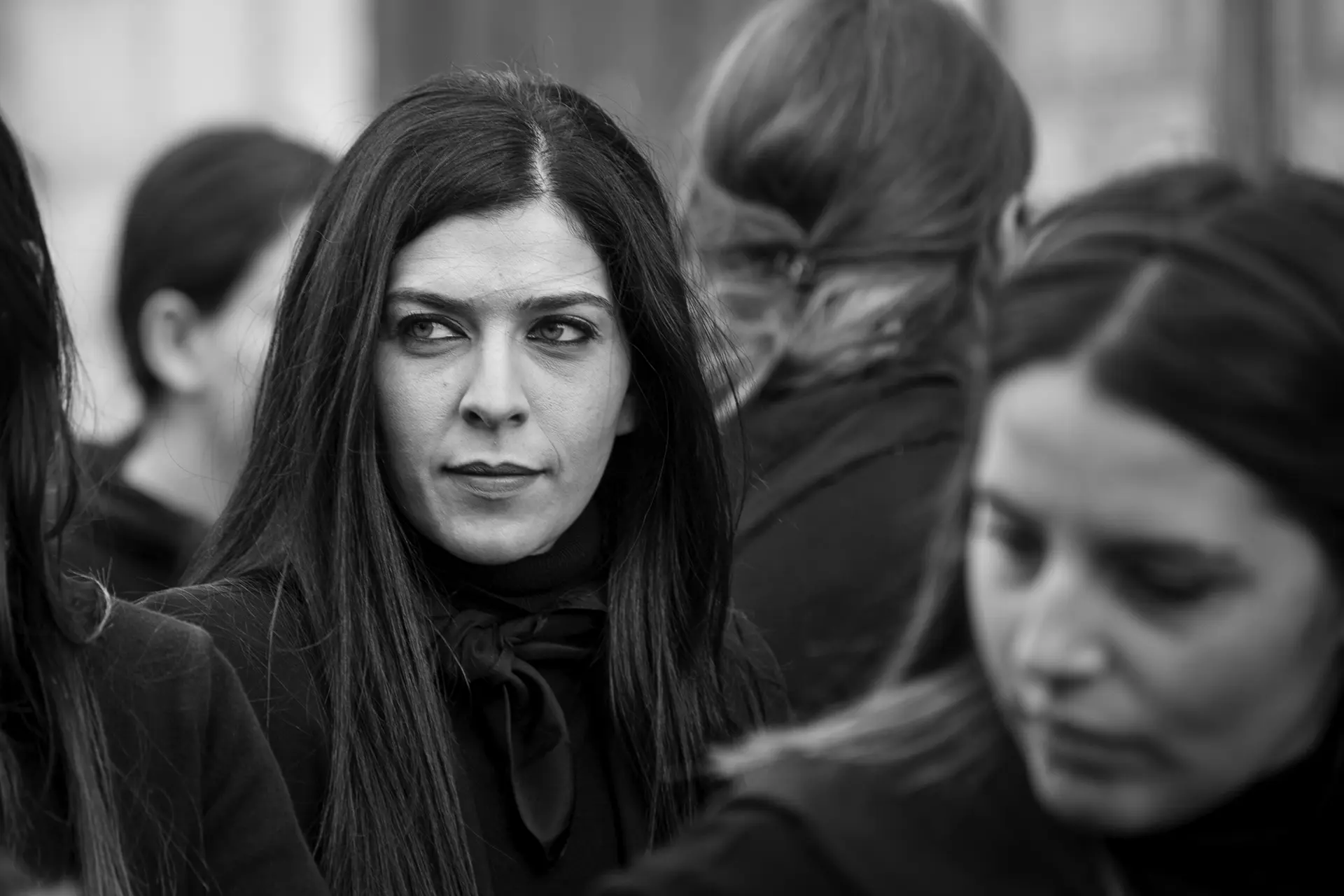
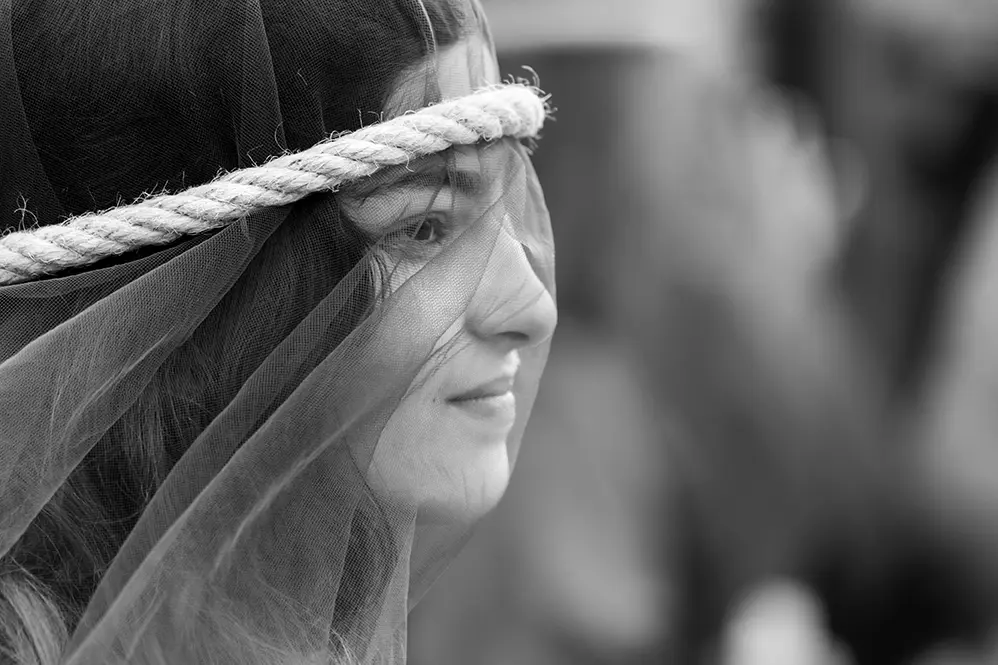
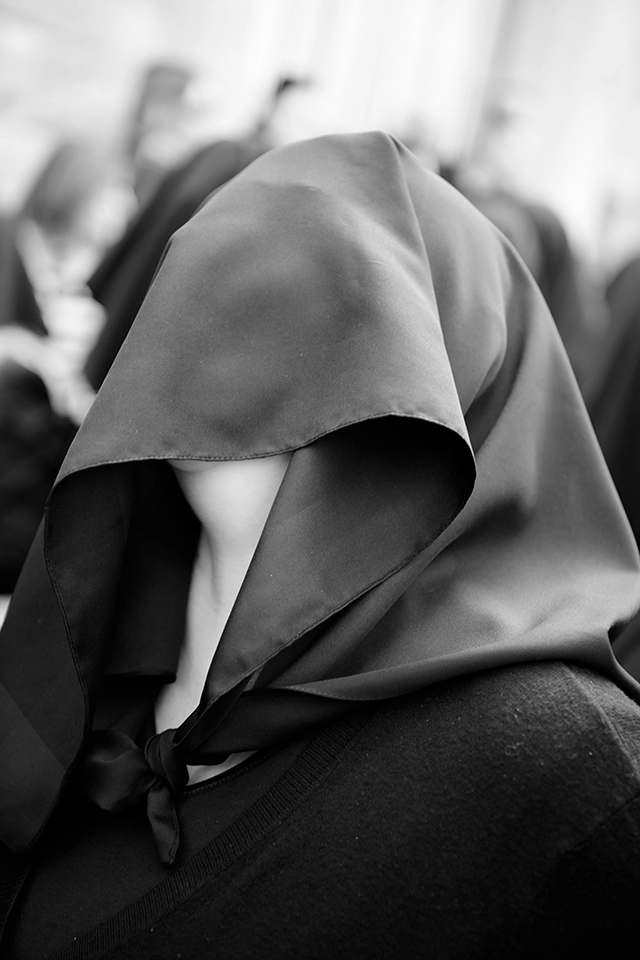
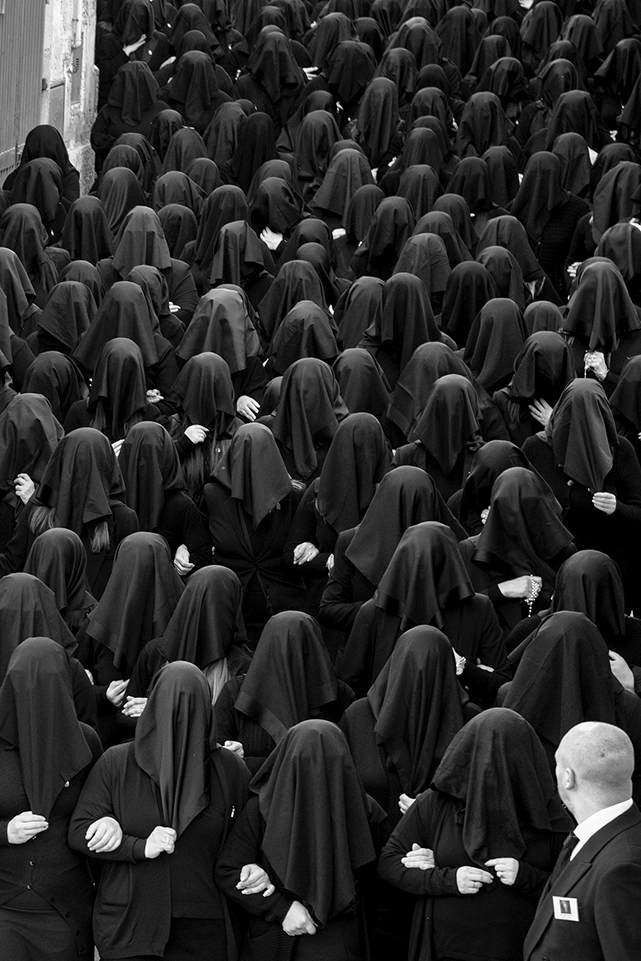
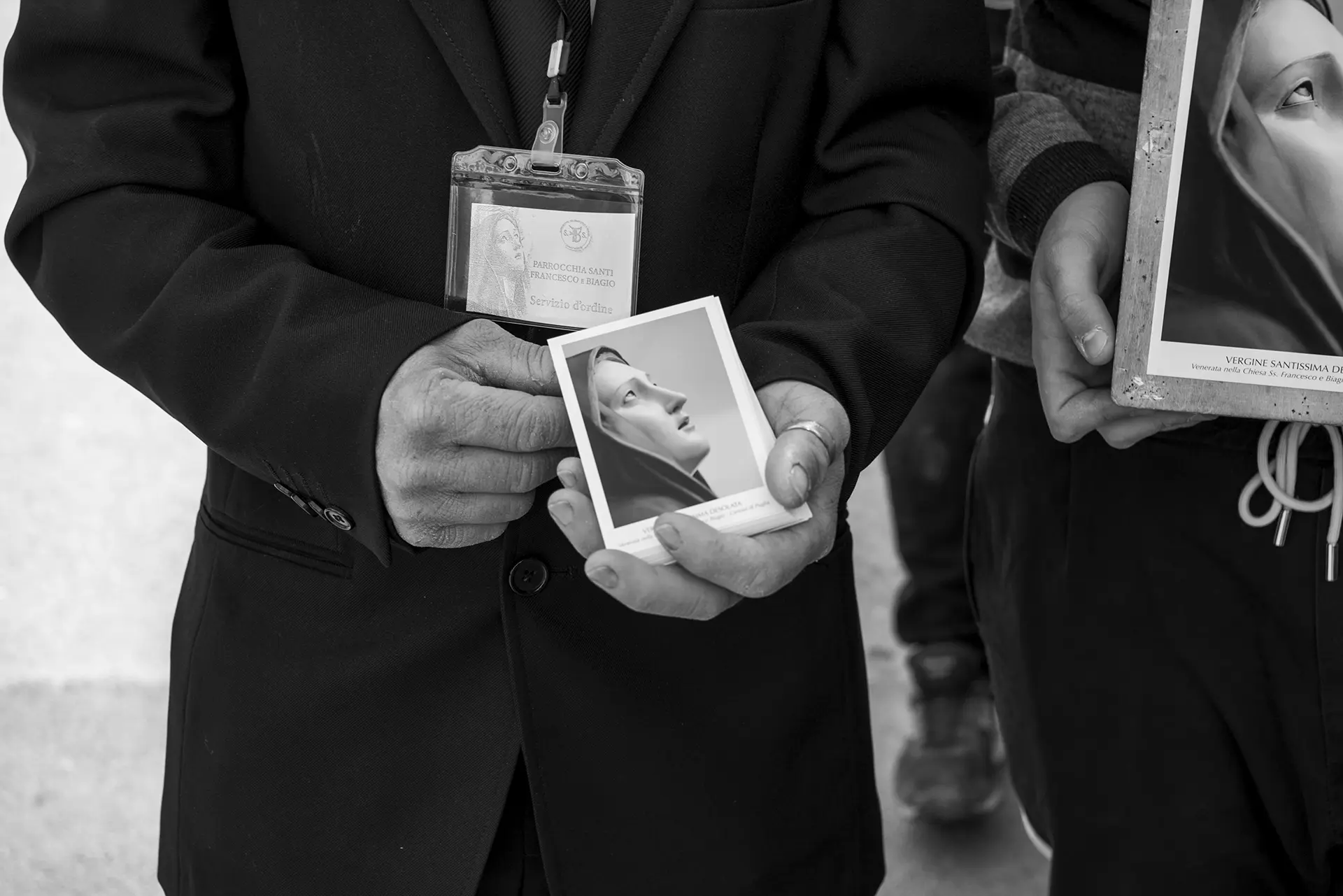
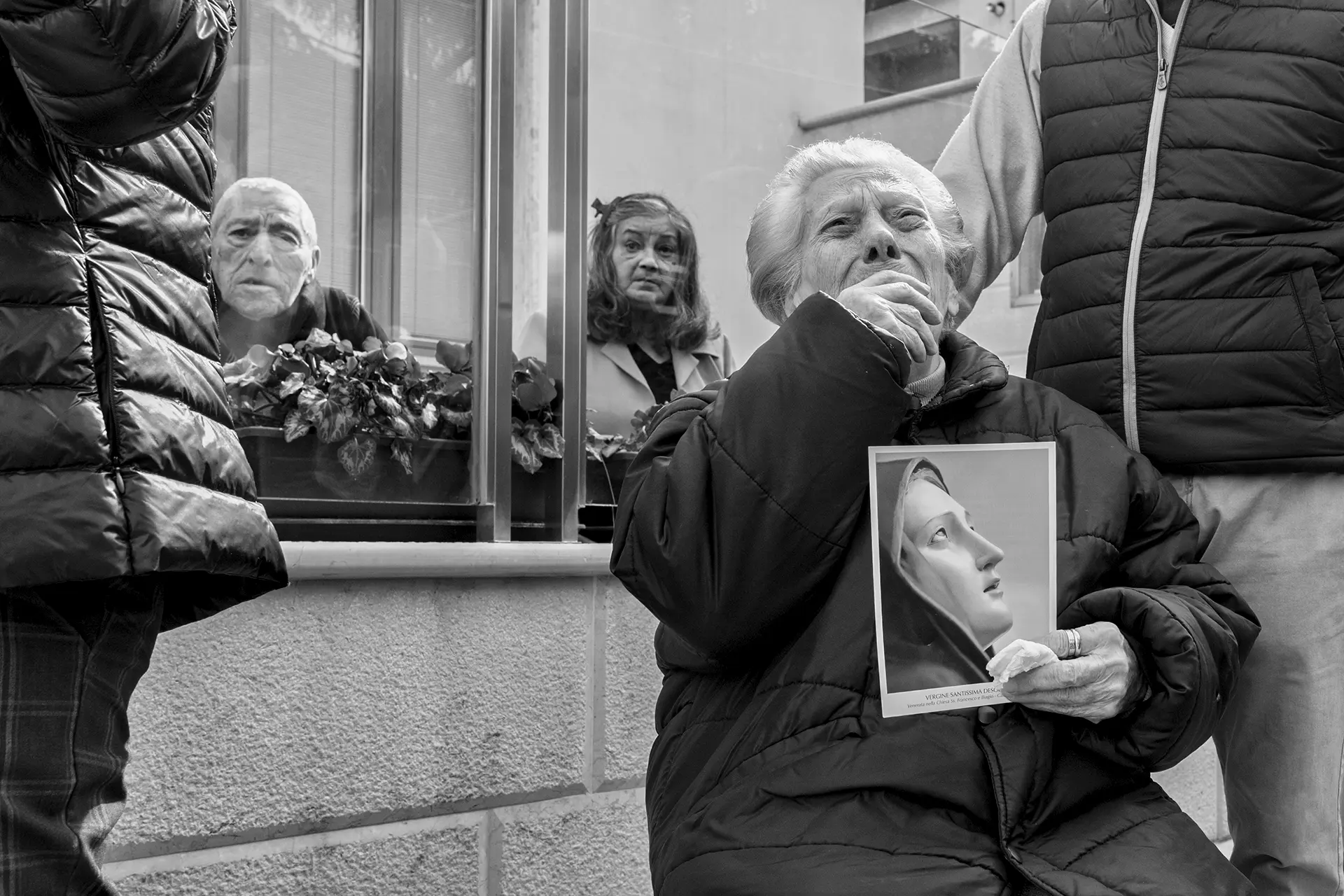
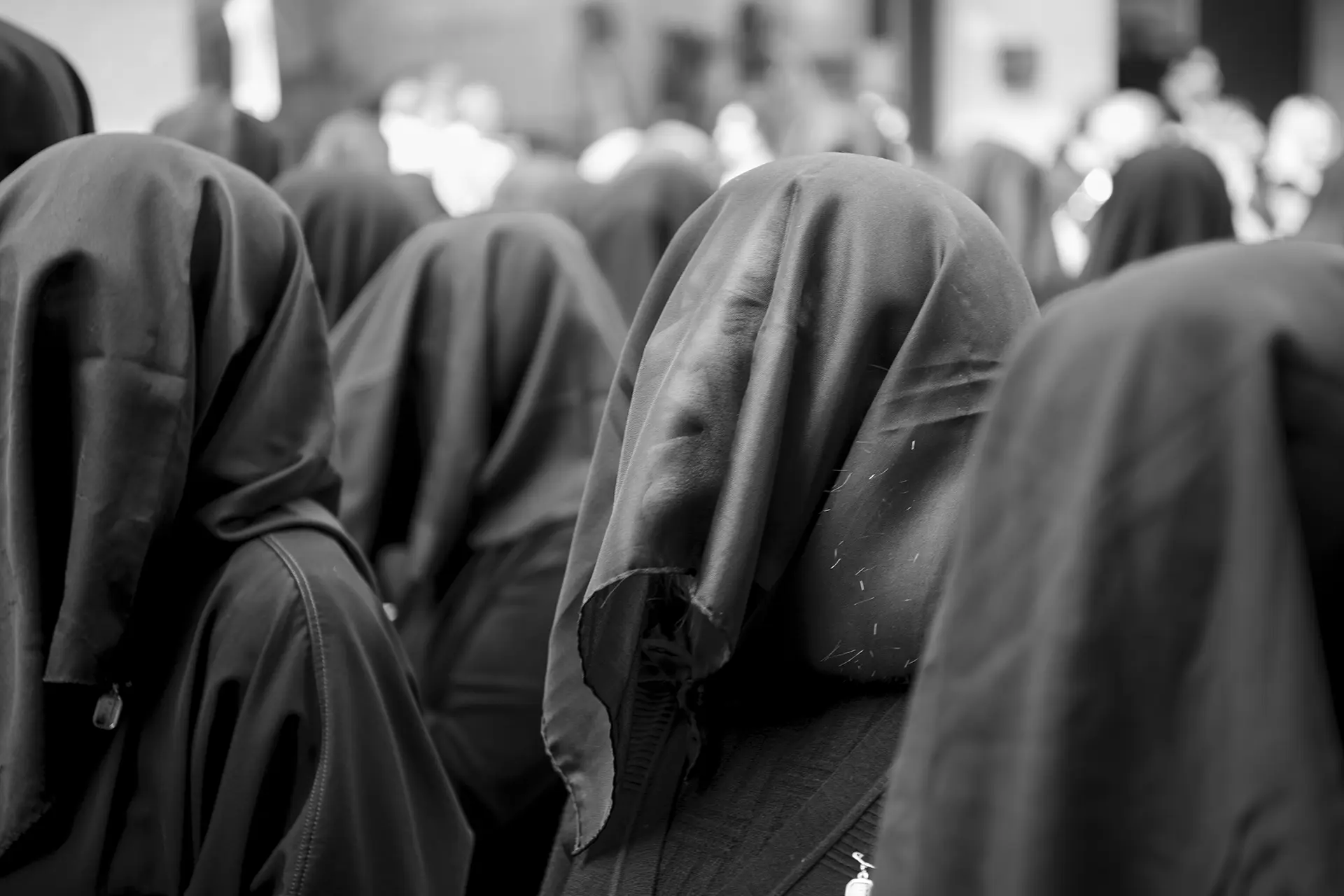
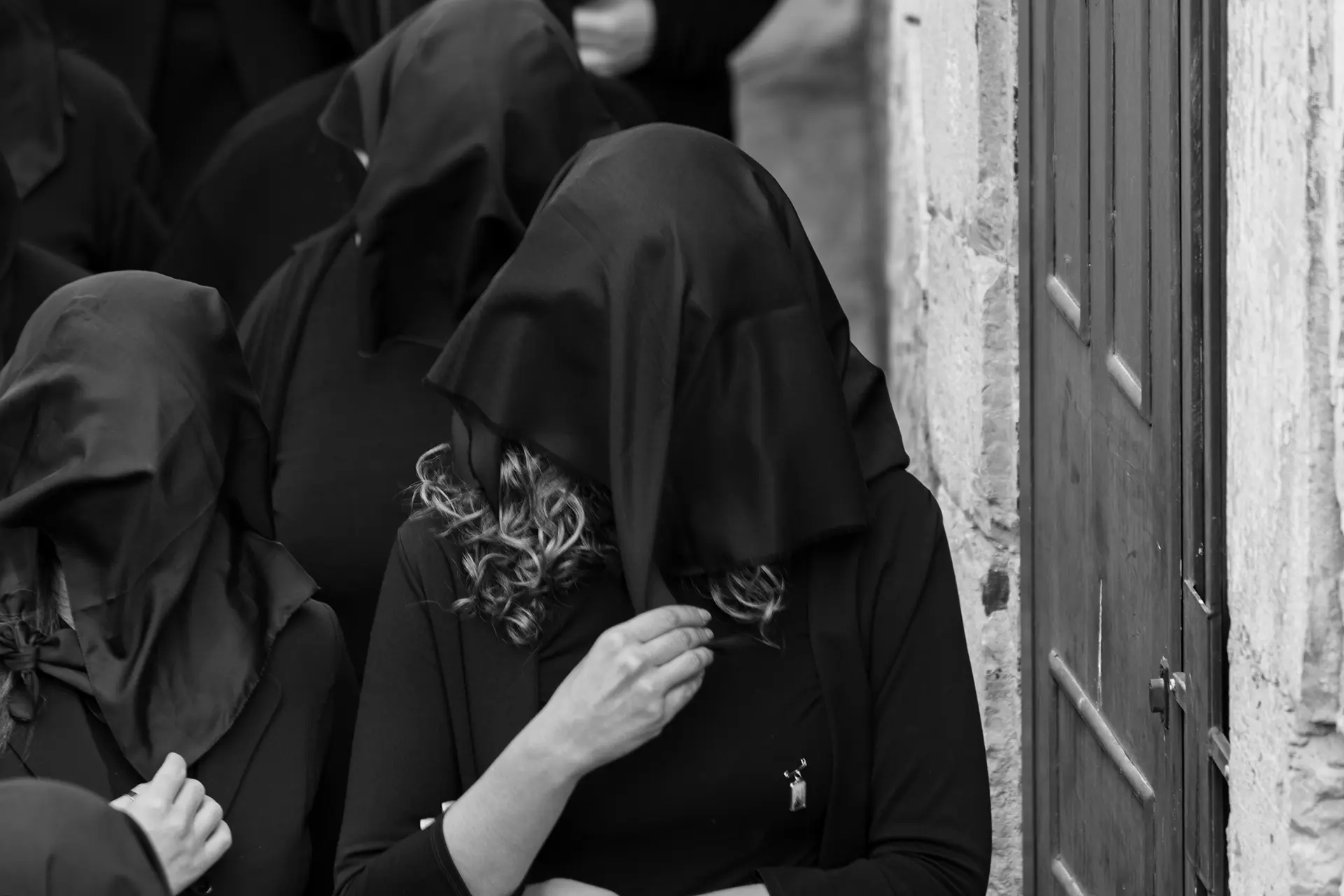
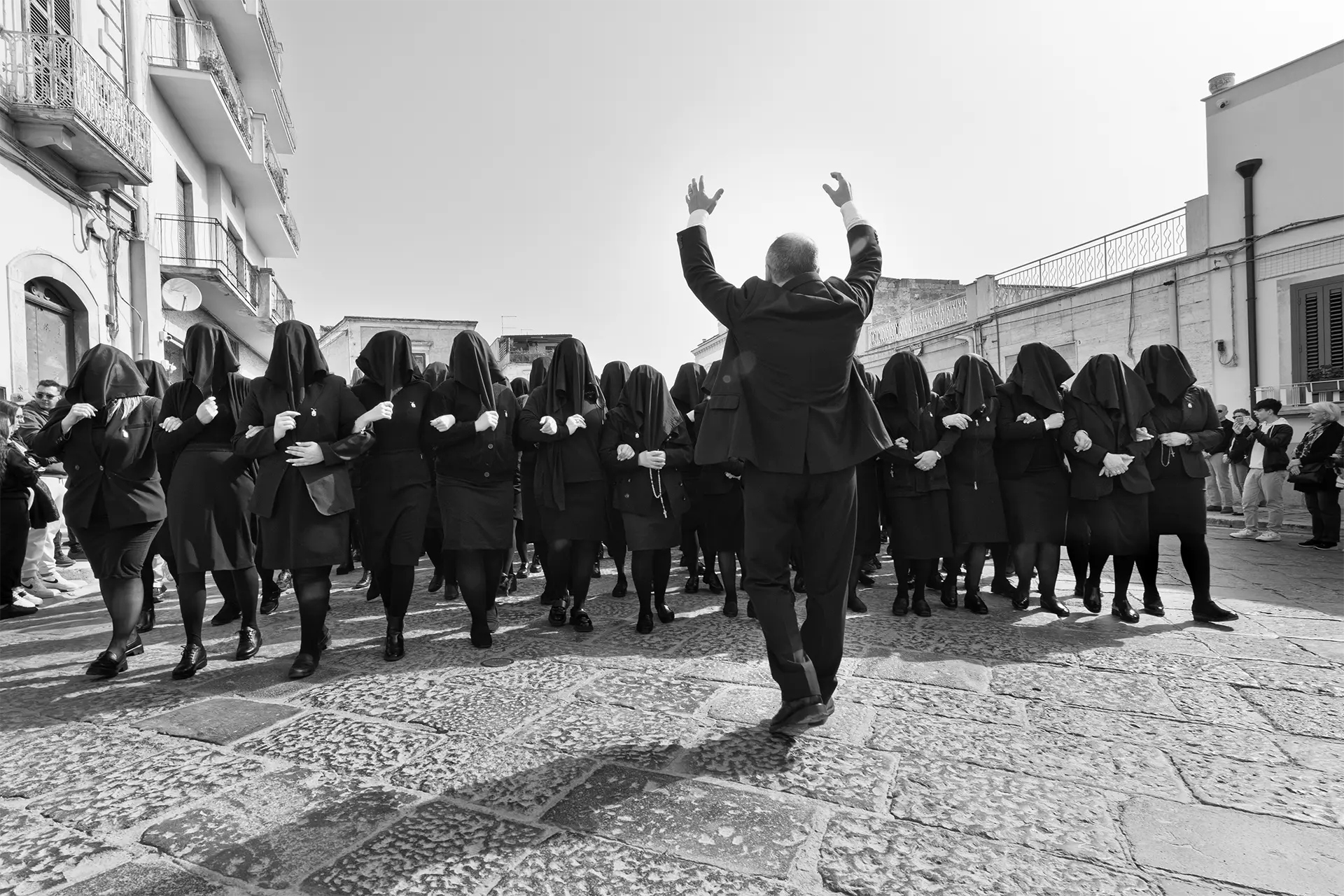
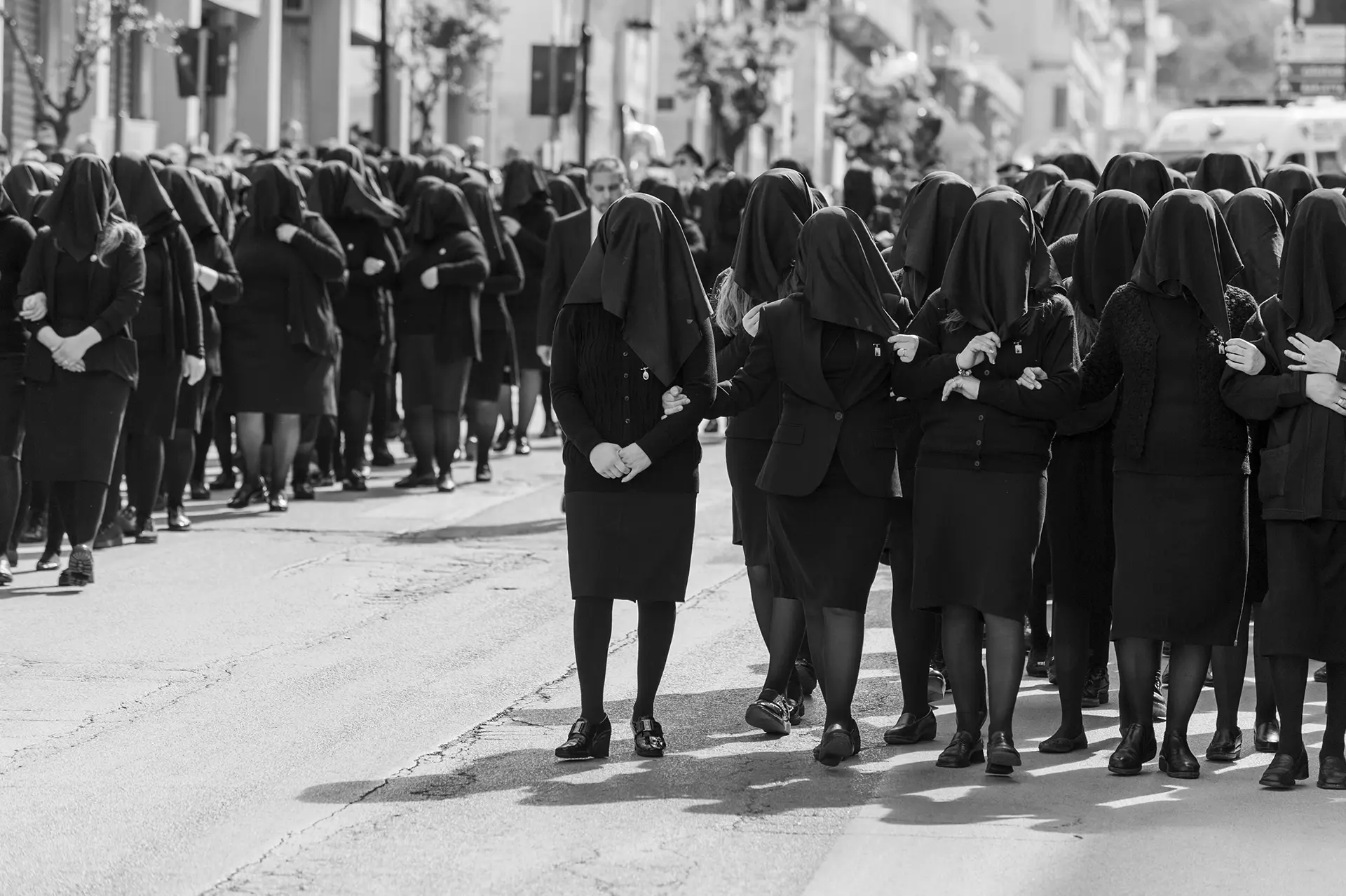
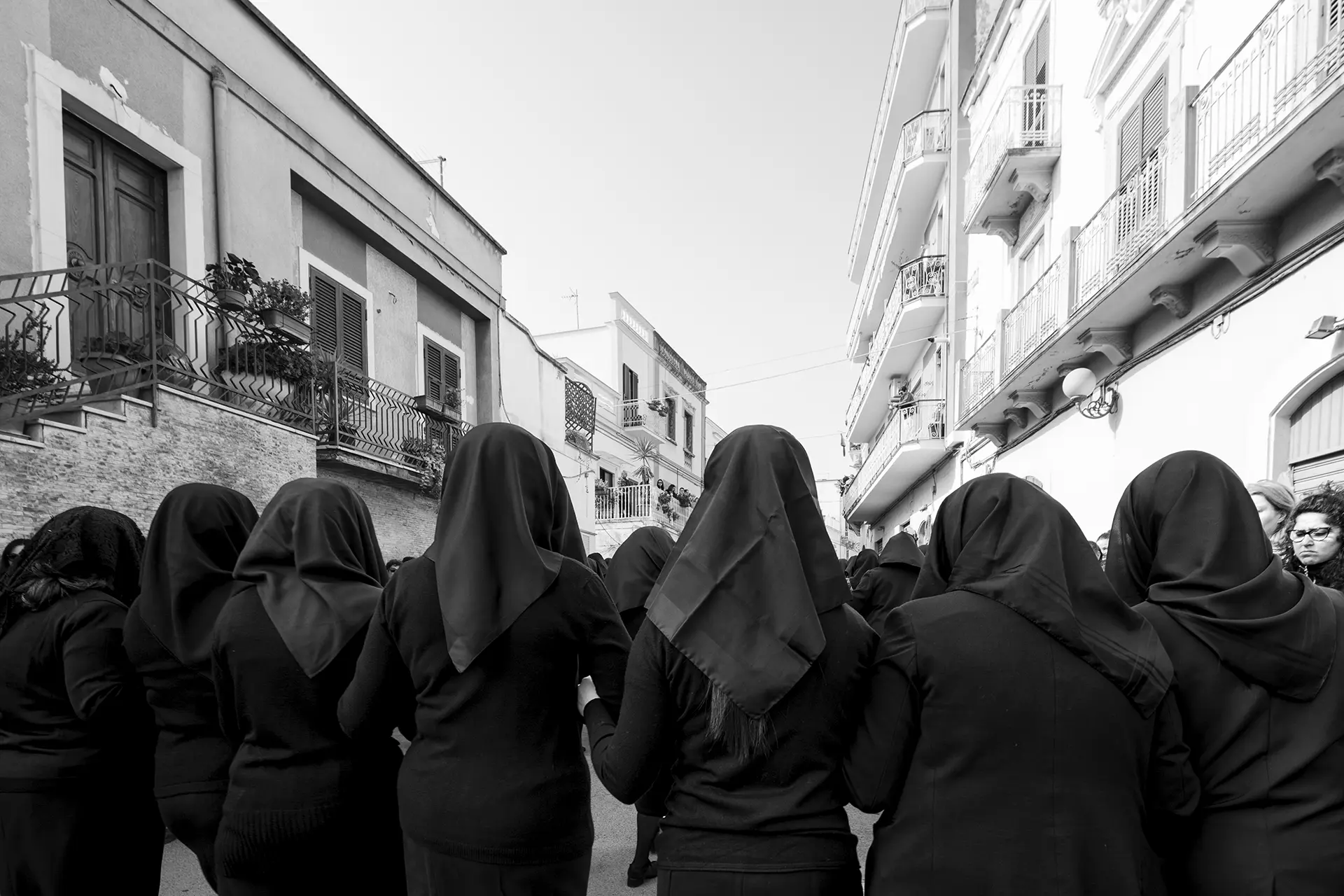
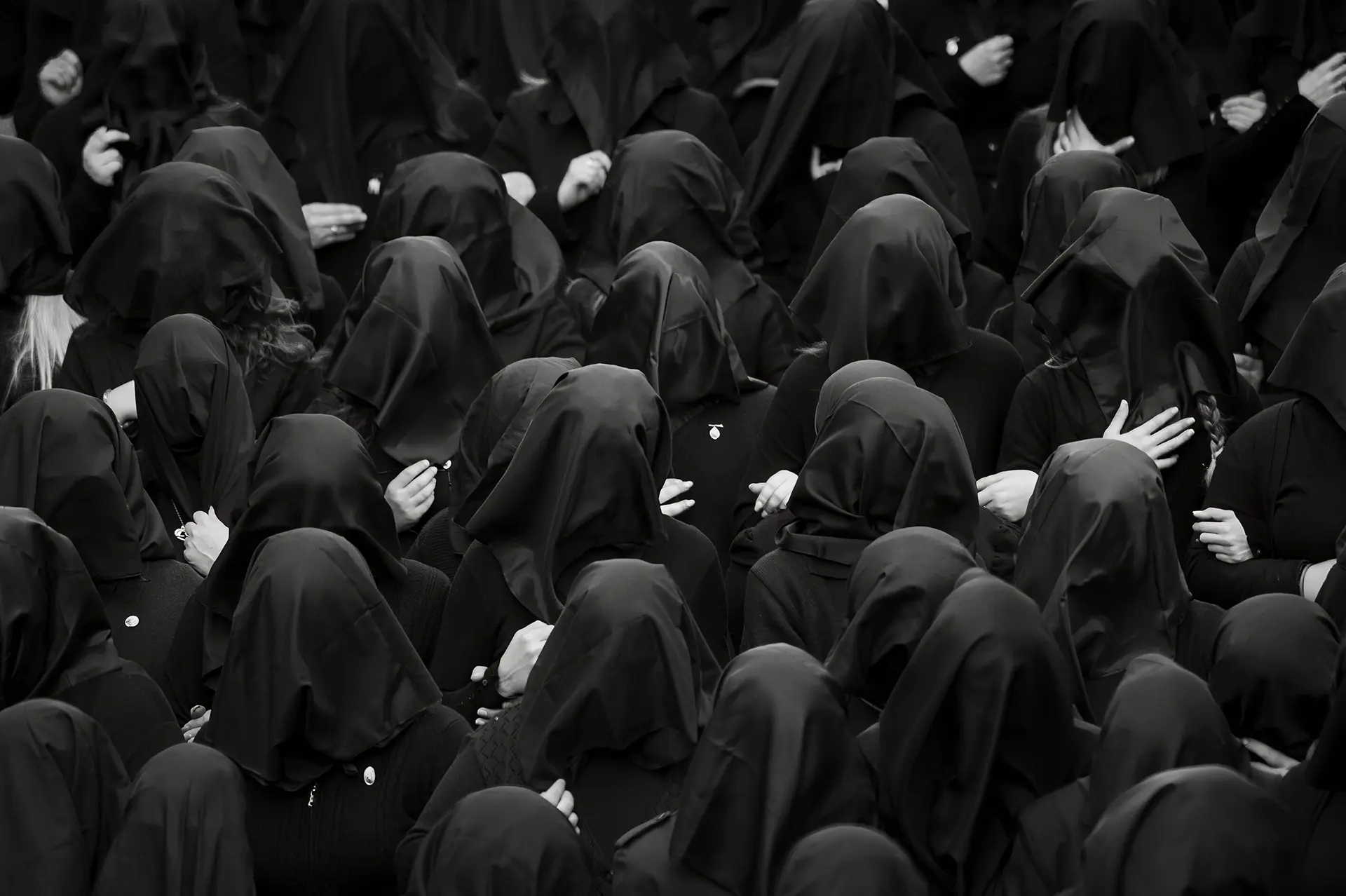
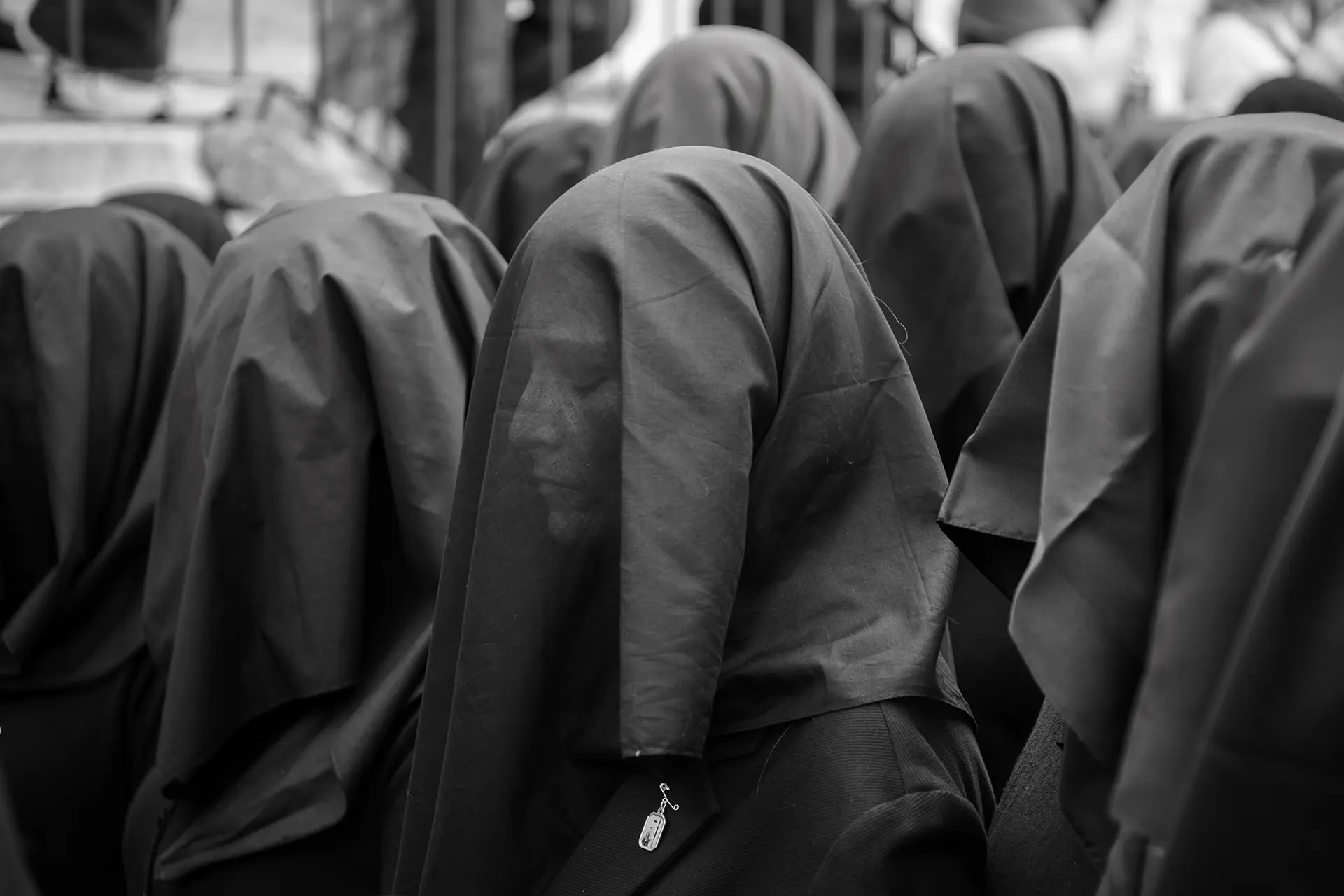
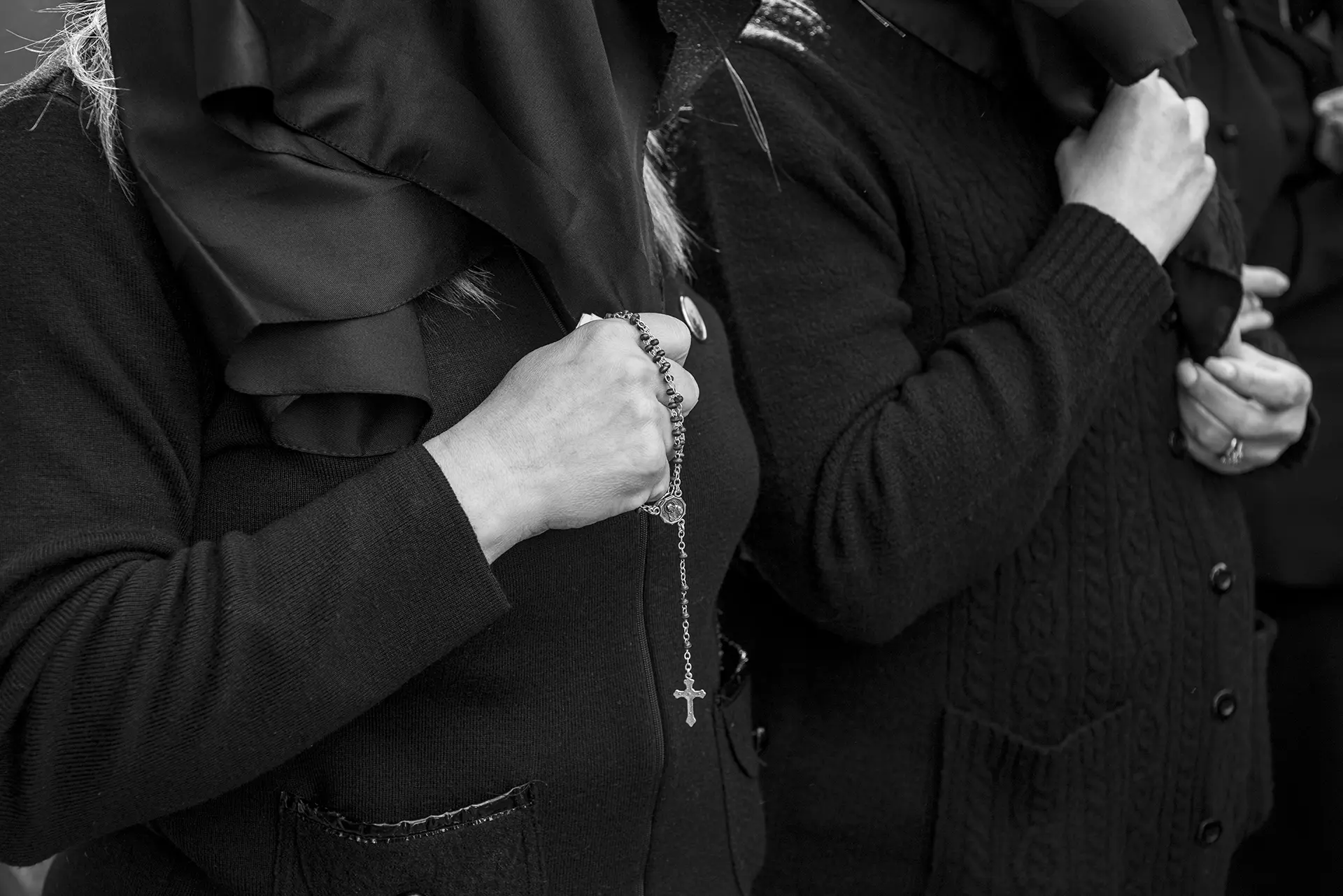
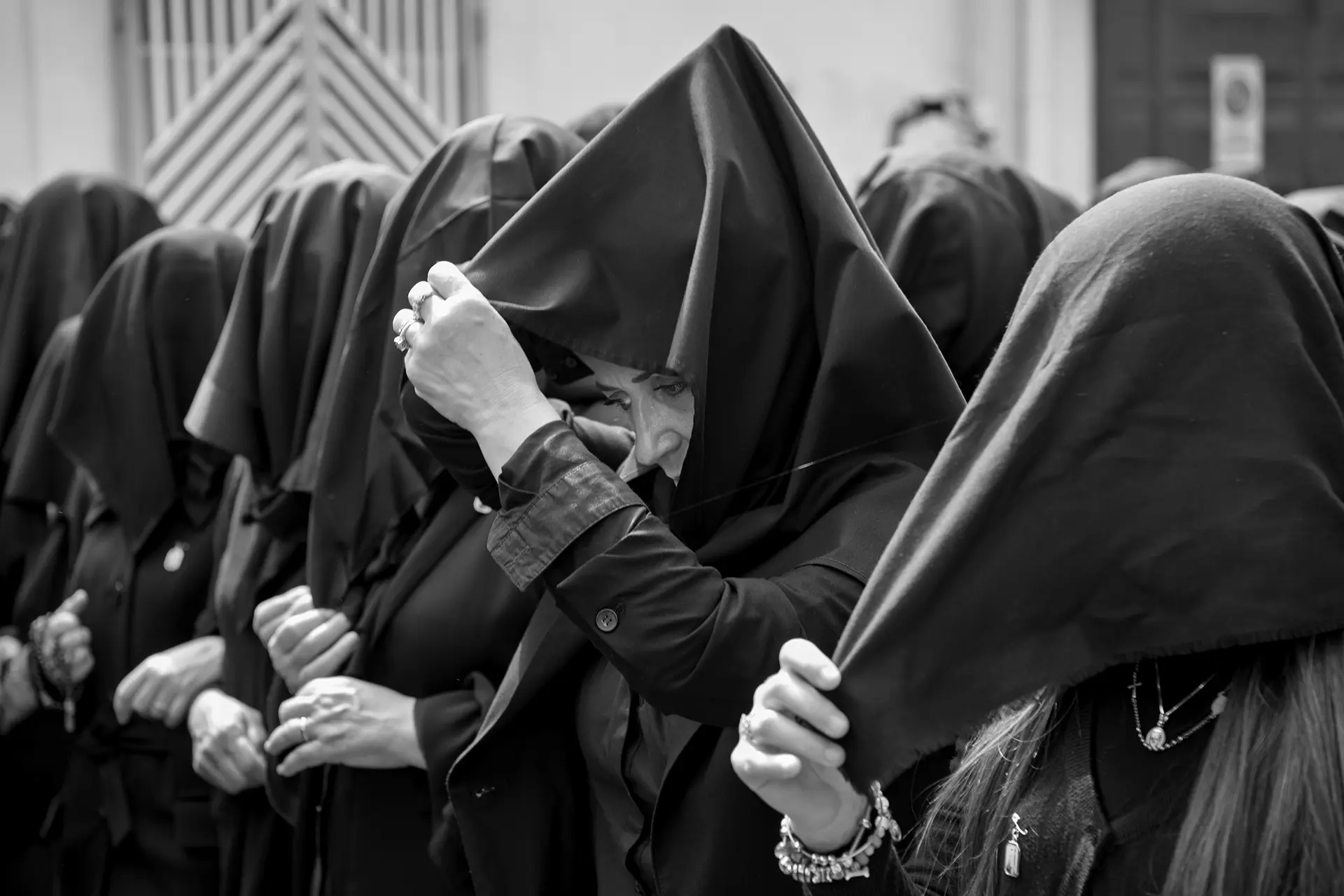
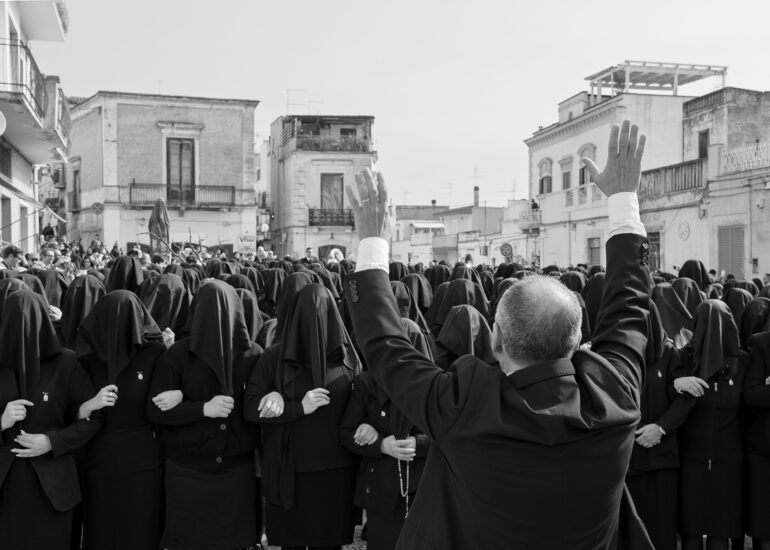
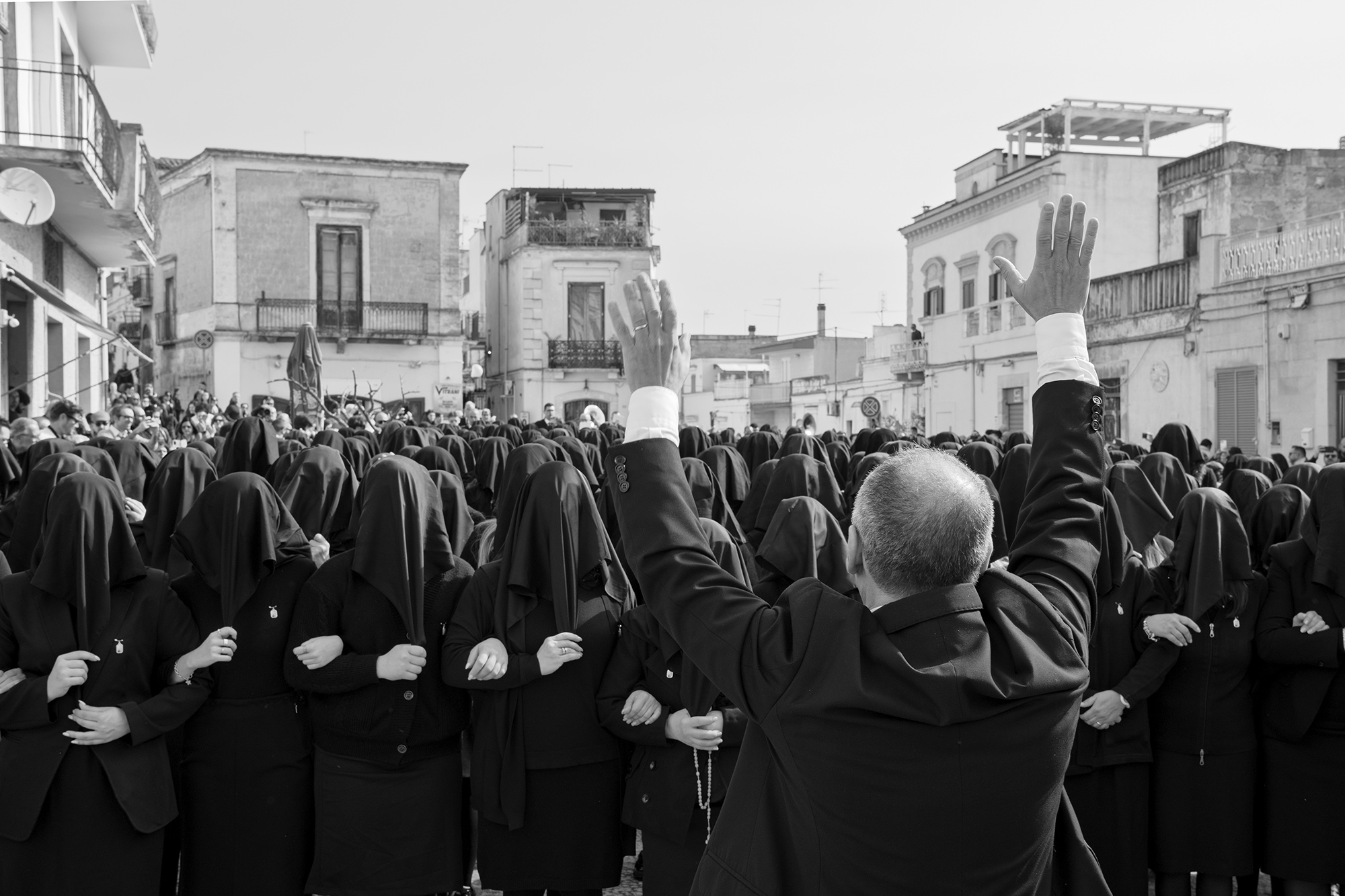
In Canosa di Puglia, Holy Saturday is a time of heightened presence. The town slows down, and the streets become the setting for a ritual carried, above all, by women. More than 350 women dressed in black follow the Desolata, their faces covered, turning the procession into a silent multitude bound together by a single voice.
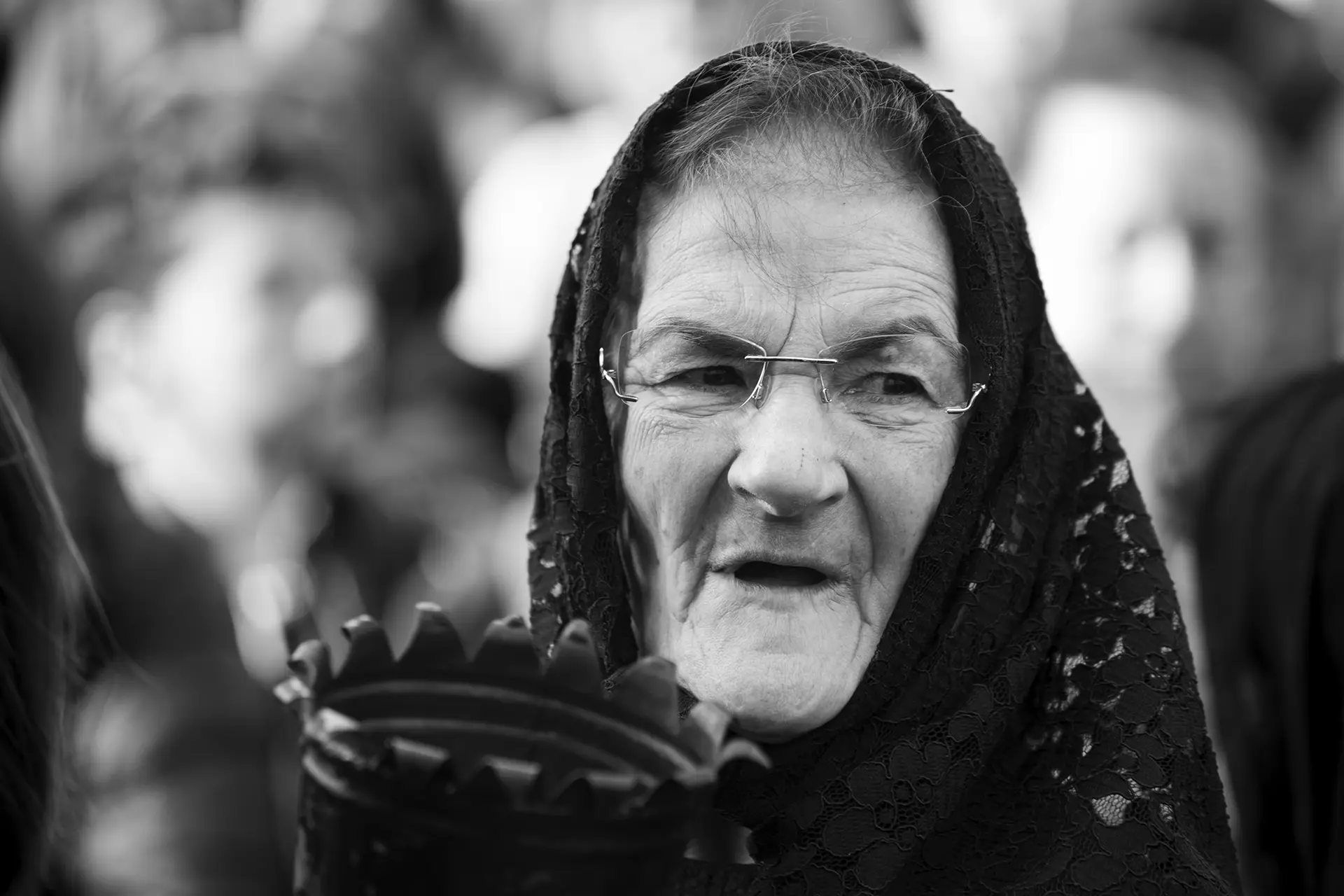
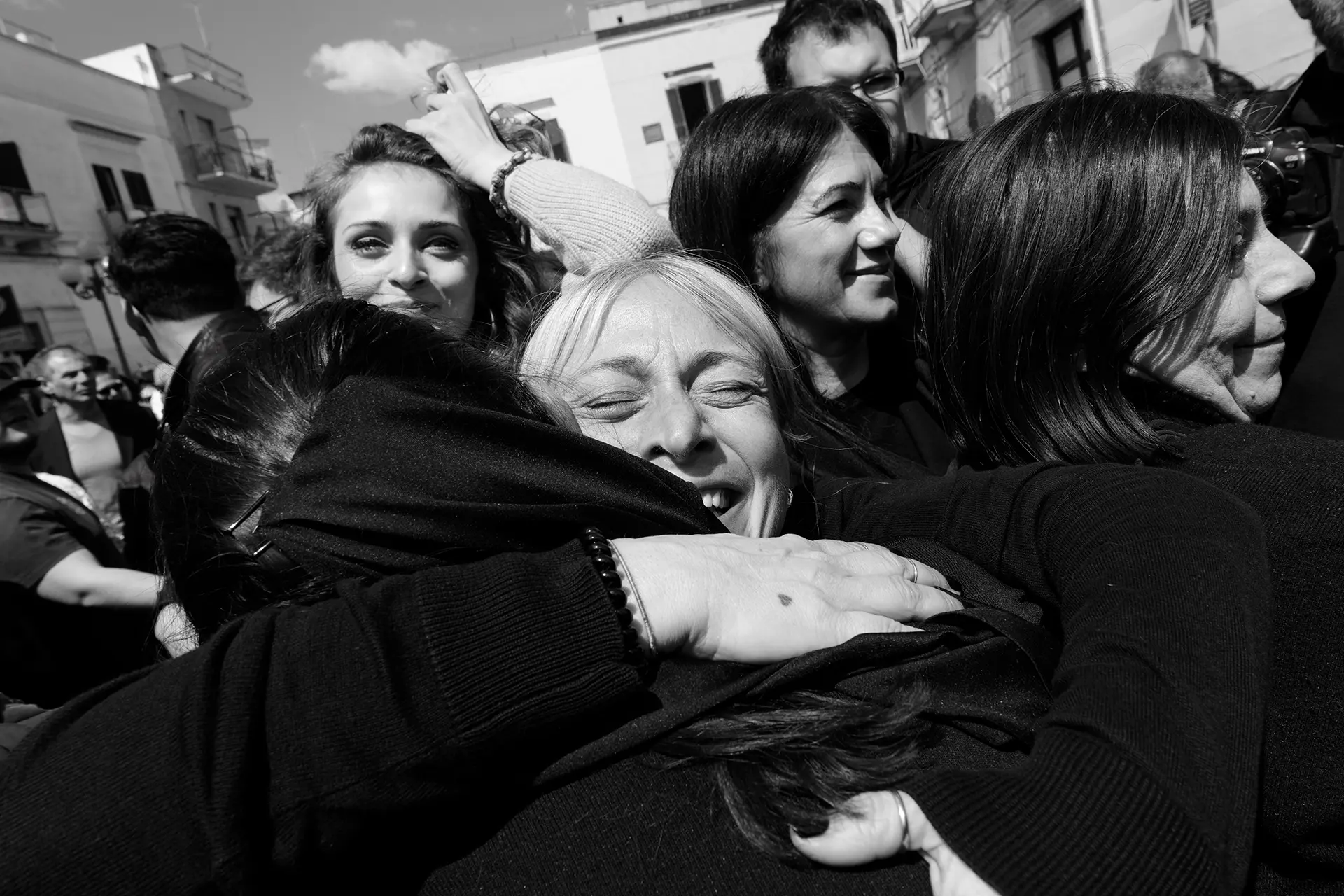
That voice emerges in the Hymn of the Desolata, a local tradition rooted in the Stabat Mater, the thirteenth-century sequence traditionally attributed to Jacopone da Todi. Sung by hundreds of women, it becomes more than a piece of music: it is a collective act, a form of inherited memory, and an expression of grief that belongs to Mary while remaining recognisable as a deeply human experience.

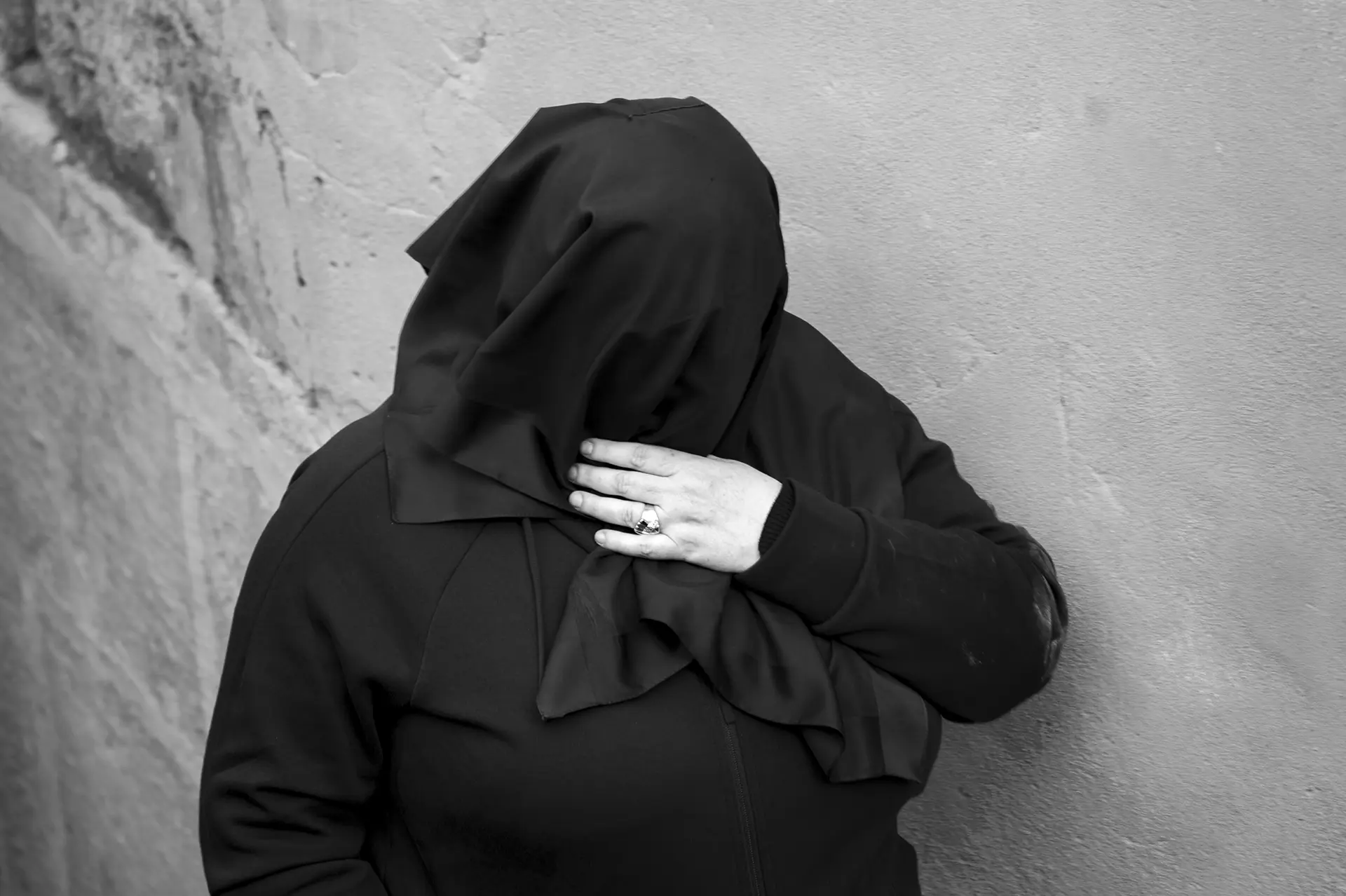
The veil covers their faces; black softens the distinctions between them. What remains is movement, posture, voice. The reportage focuses on these women because it is through them that the ritual takes on a tangible form — not simply an expression of faith, but a communal practice carried across generations.